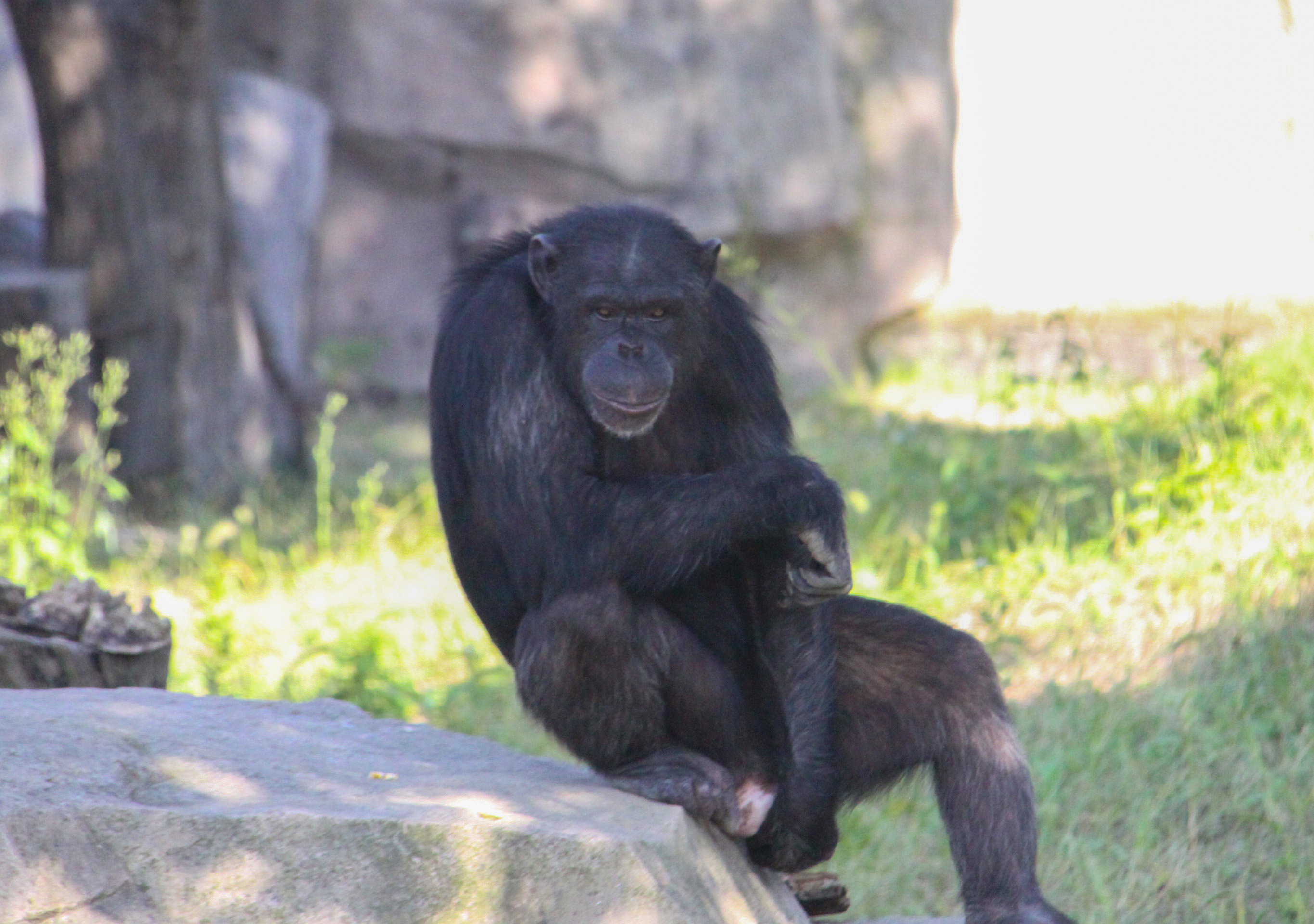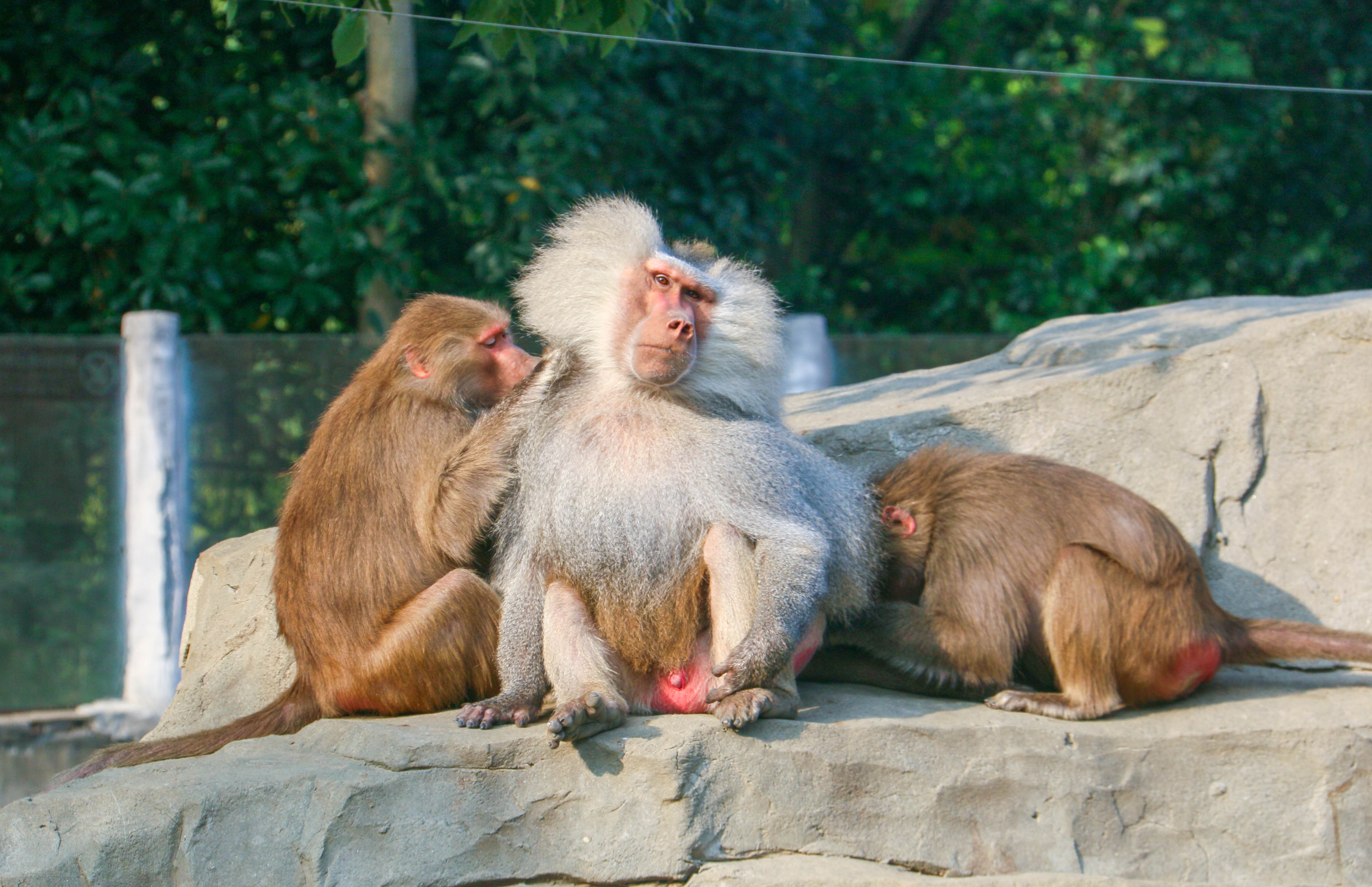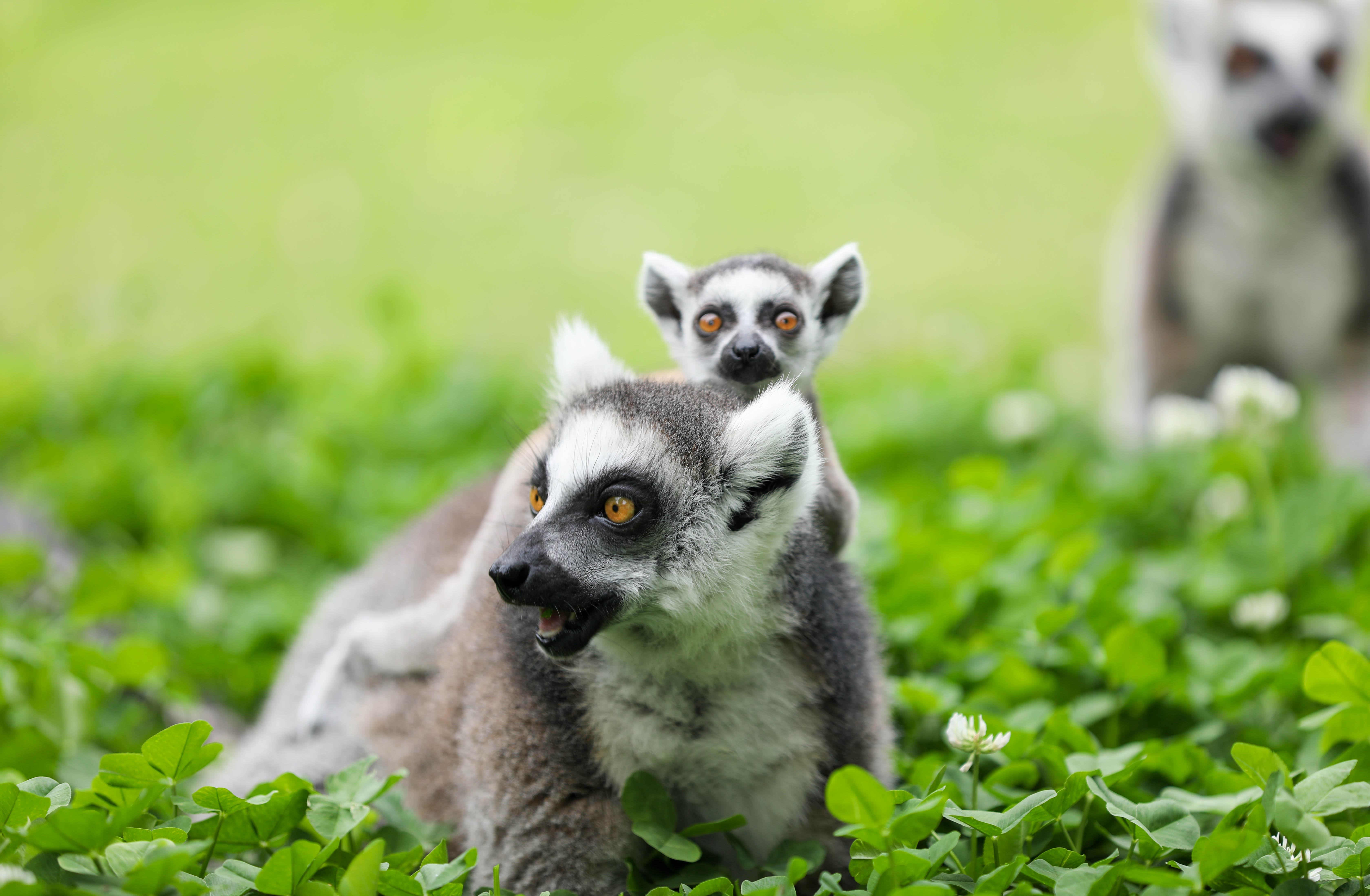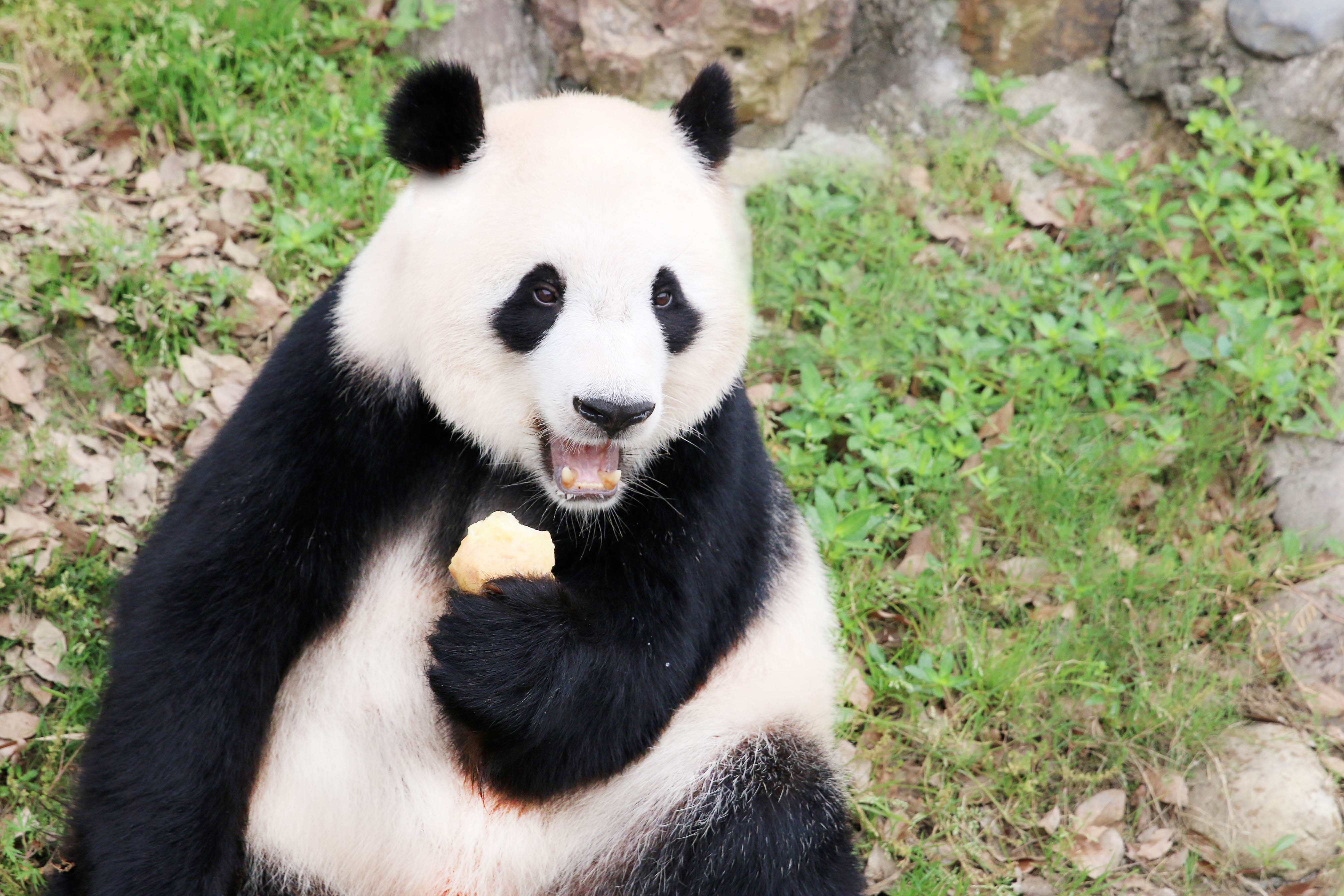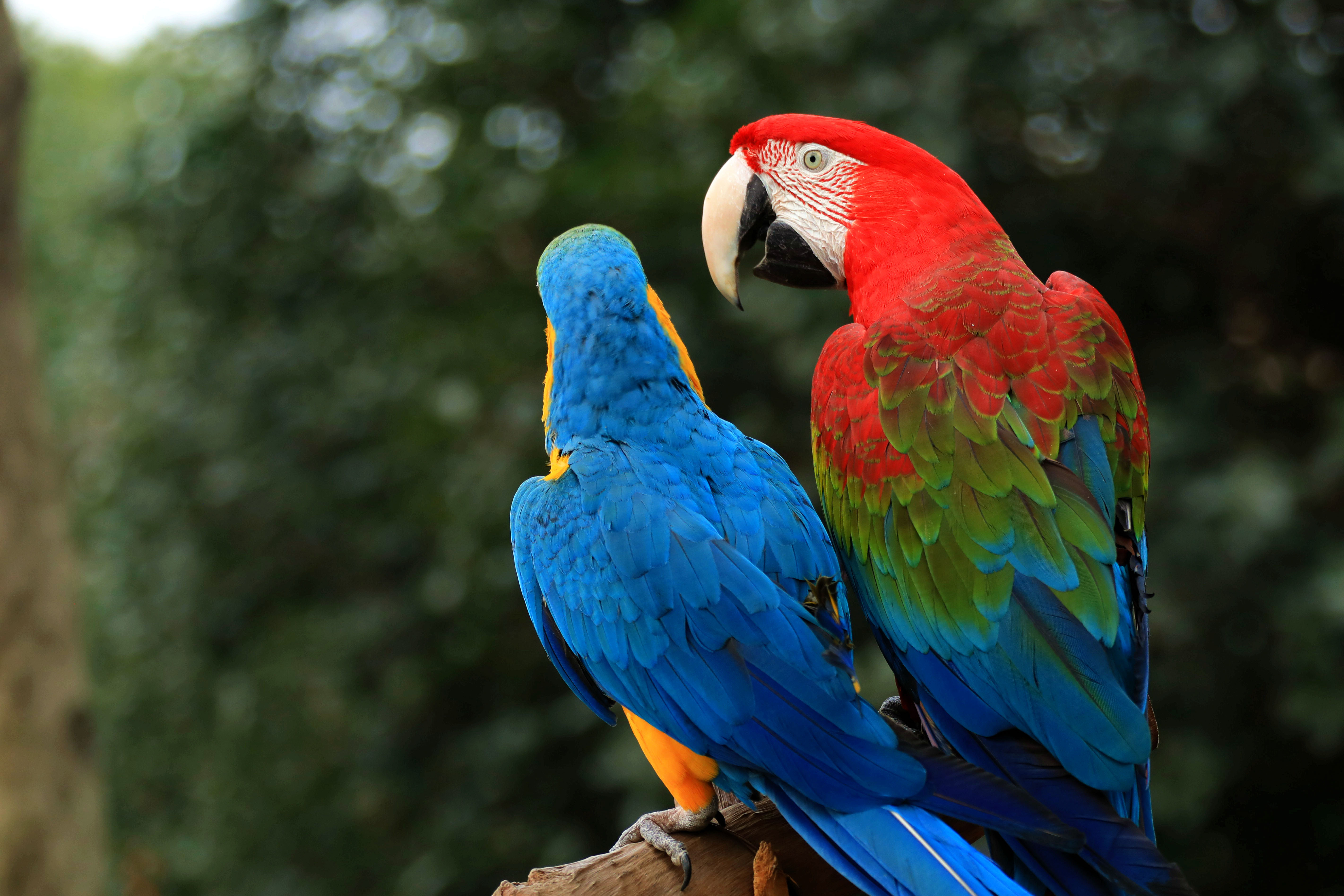
Baboon Island covers an area of about 1000 square meters, and the scenery on the island is pleasant. Baboons are one of the most rigorous monkeys in community life, with obvious hierarchical order and strict discipline, and the group is led by young, strong and larger male baboons. They are good at swimming, able to make a vary loud cry, move during the day, and perch in big branches or caves at night.
Monkeys Island covers an area of 20,000 square meters, and displays nearly 10 rare primate species from all continents, such as black-capped capuchins, Ring-tailed Lemur, white-cheeked gibbon, macaque,Patas Monkey, Green Monkey and Demon in Mountain, creating a natural ecological habitat full of wild interest.
The Giant Panda Museum is located in the center of the park, with a superior geographical position and beautiful environment.
The Giant Panda Museum covers an area of about 1500 square meters. It is divided into indoor and outdoor activity exhibition areas, including giant panda living area, breeder operation room, nutrition exhibition hall, bamboo leaf preservation room, popular science corridor, monitoring room and other places.
The Giant Panda Museum is not only a panda exhibition house, but also a comprehensive exhibition hall integrating popular science education and giant panda protection education. In the exhibition hall, the morphological characteristics, living habits, growth process and living environment of giant pandas are displayed in all directions through words, pictures and videos. Through the understanding of giant pandas, we can stimulate the public awareness of protecting giant pandas and wild animals.
Vivifying Flower and Bird World Stadium covers an area of about 8,000 square meters and is about 40 meters high (equivalent to 15 stories high), providing enough space for birds to fly freely.
The exhibition area is rich in bird resources, covering rare birds all over the world, such as wreathed hornbill, great hornbill, Red-and-green Macaw,blue and gold macaw, Amazon parrot,grey parrot, Sulphur-crested Cockatoo, Ramphastos Tucanus (a bird with huge red beak) and channel-billed toucan.
The whole venue makes full use of local plant resources, restores the wild habitat of birds, and is surrounded by mountains and rivers, woods and bridges, and birds sing. The ubiquitous animal science pictures and animal science instruction boards make it a world for learning bird knowledge, which makes people have a deeper understanding of the characteristics of each type of bird and find more answers to bird questions.
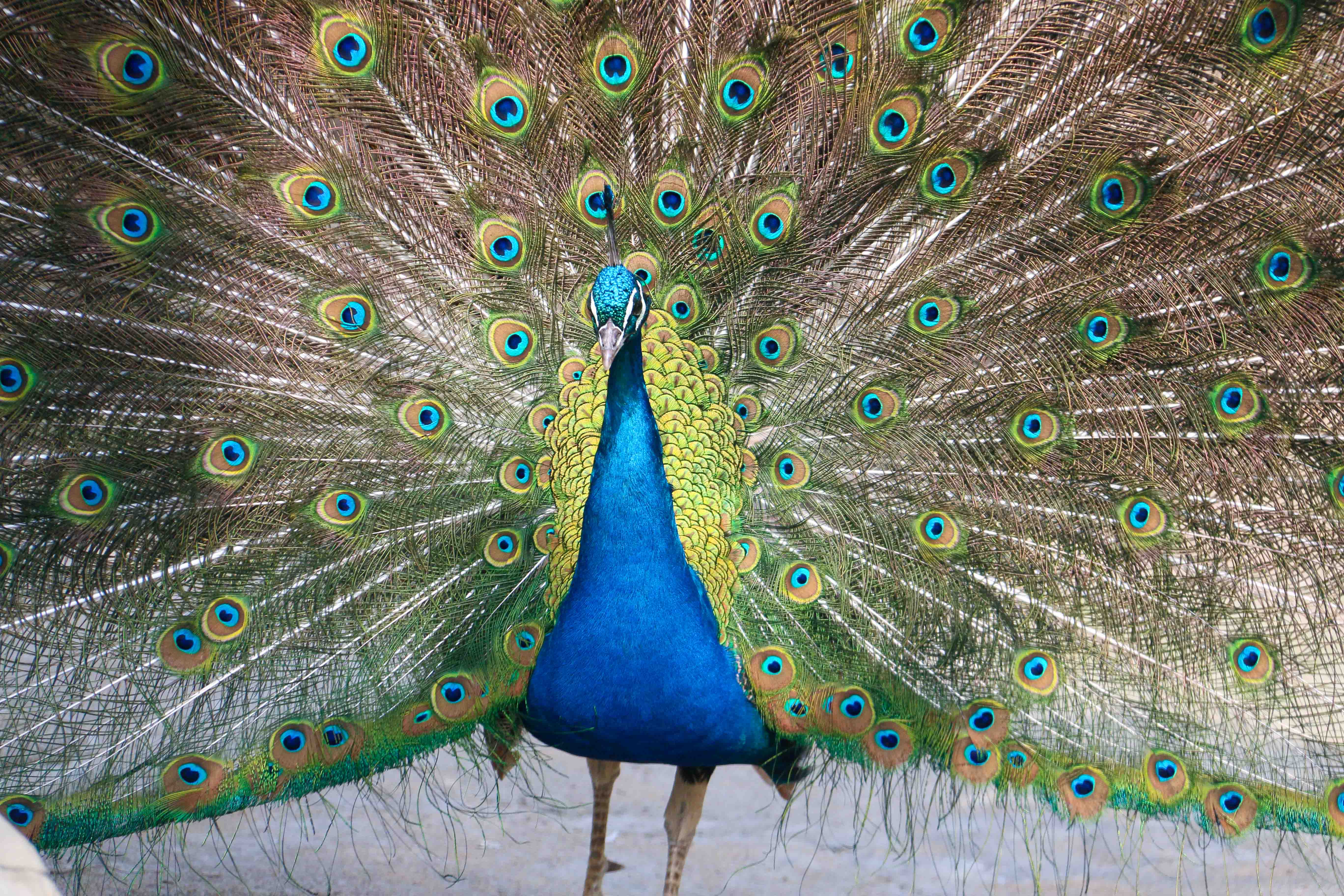
Peacock Garden covers an area of about 1000 square meters. Peacock is known as “Queen of Birds” and “King of the Birds”. There are blue peacocks and white peacocks on display in the garden. White peacocks are rare variants that can only be mutated by one thousand blue peacocks.
When spreading its tail, the peacock sends a signal of courtship. The male peacock will erect its tail feathers high and spread them widely, which is gorgeous and dazzling.
The African Elephant Museum is located opposite the Small Railway Station in the park. African elephants are the largest living terrestrial mammals, slightly larger than Asian elephants, and can be distinguished from Asian elephants by ears as big as cattail fans.
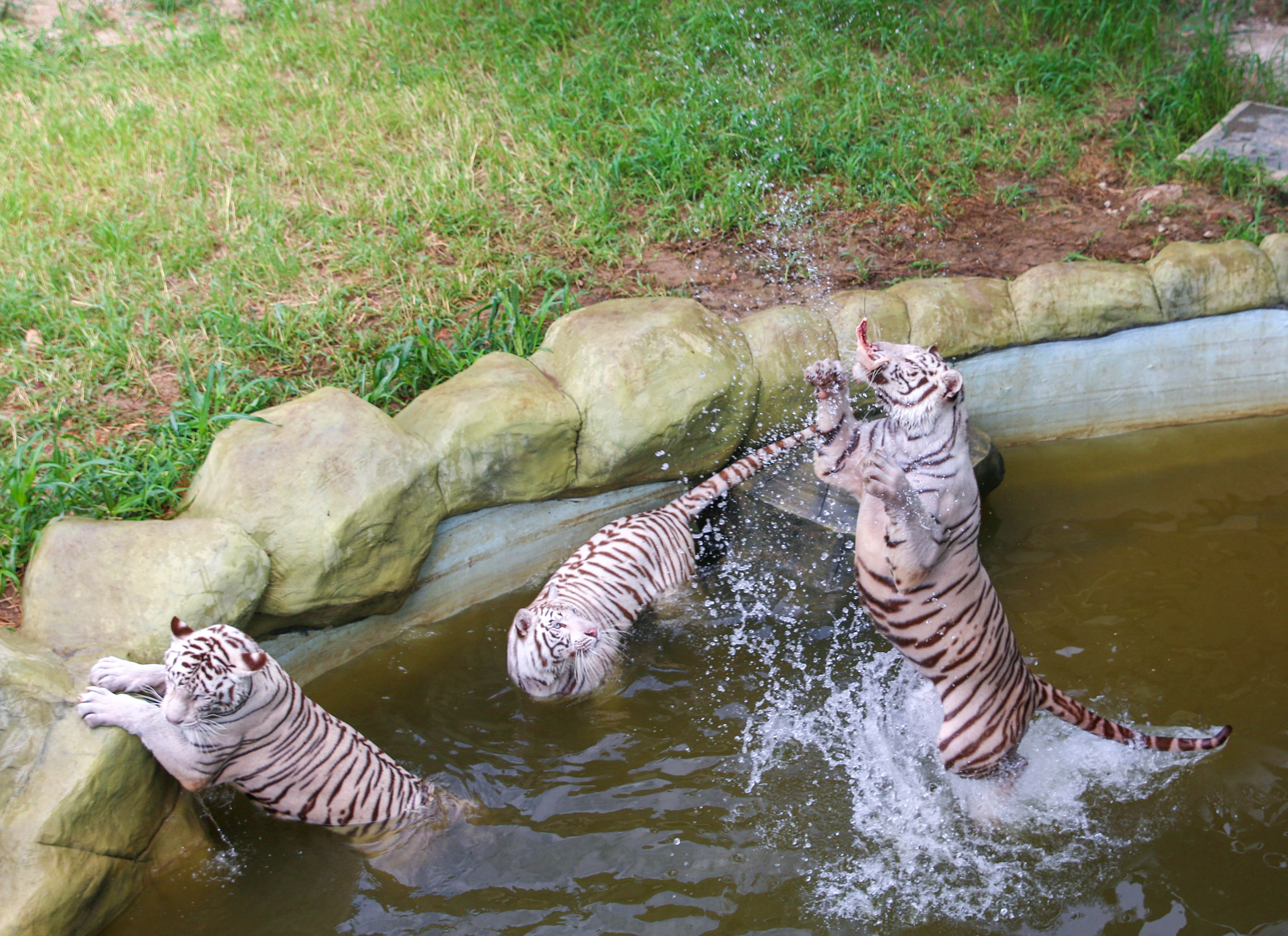
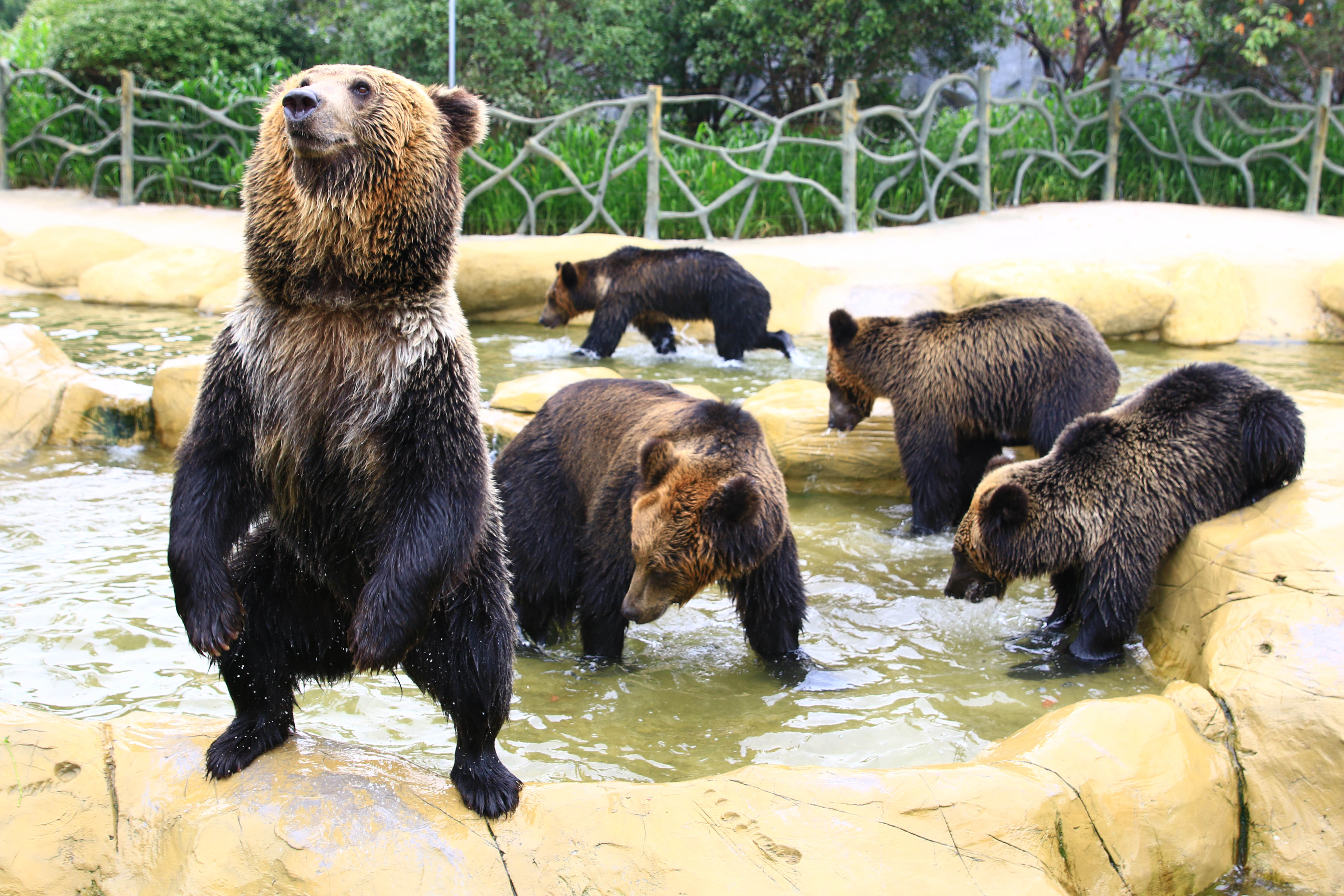
Animal Kindergarten brings together all kinds of animal cubs, such as Little White Tiger, Little Northeast Tiger, Little Brown Bear, Little Monkey, Little Red Panda and so on. They may touch your heartstrings in an instance with their cute child form, and let’s witness their growth together in the kindergarten.
The Red Panda Museum covers an area of about 800 square meters. It is an immersive experience venue surrounded by green trees, small bridges and flowing water. The lovely red pandas move in the jungle, and tourists can walk into it to interact with the smart and lovely red pandas at close range. The popular science exhibition hall at the entrance of the venue and the popular science blackboard newspaper in the venue vividly introduce the popular science knowledge of red pandas and the natural ecological venue layout, so that tourists can fully learn about the wild living environment and living habits of red pandas.
Everland covers an area of about 5,000 square meters, where rare animals such as meerkats and falcons live. “Everland” is designed according to their living habits and simulating natural environment. Verdant trees and shrubs flourish in well-planted order, and visitors are exposed to the ecological natural environment, which greatly satisfies people’s desire to walk into nature and get close to animals.
The Wading Bird Pavillion covers an area of about 2,000 square meters. Wading birds refer to birds that adapt to living in swamps and watersides. Their legs are particularly slender, and their necks and toes are also long, so they are suitable for wading. Wading birds often stand on one foot when resting, and most of them get food from the bottom of the water, mud or the ground. The museum contains dozens of kinds of wading birds, such as oriental white storks, red-crowned cranes, grey cranes, balearica regulorums, demoiselle cranes and yellow-billed storks.