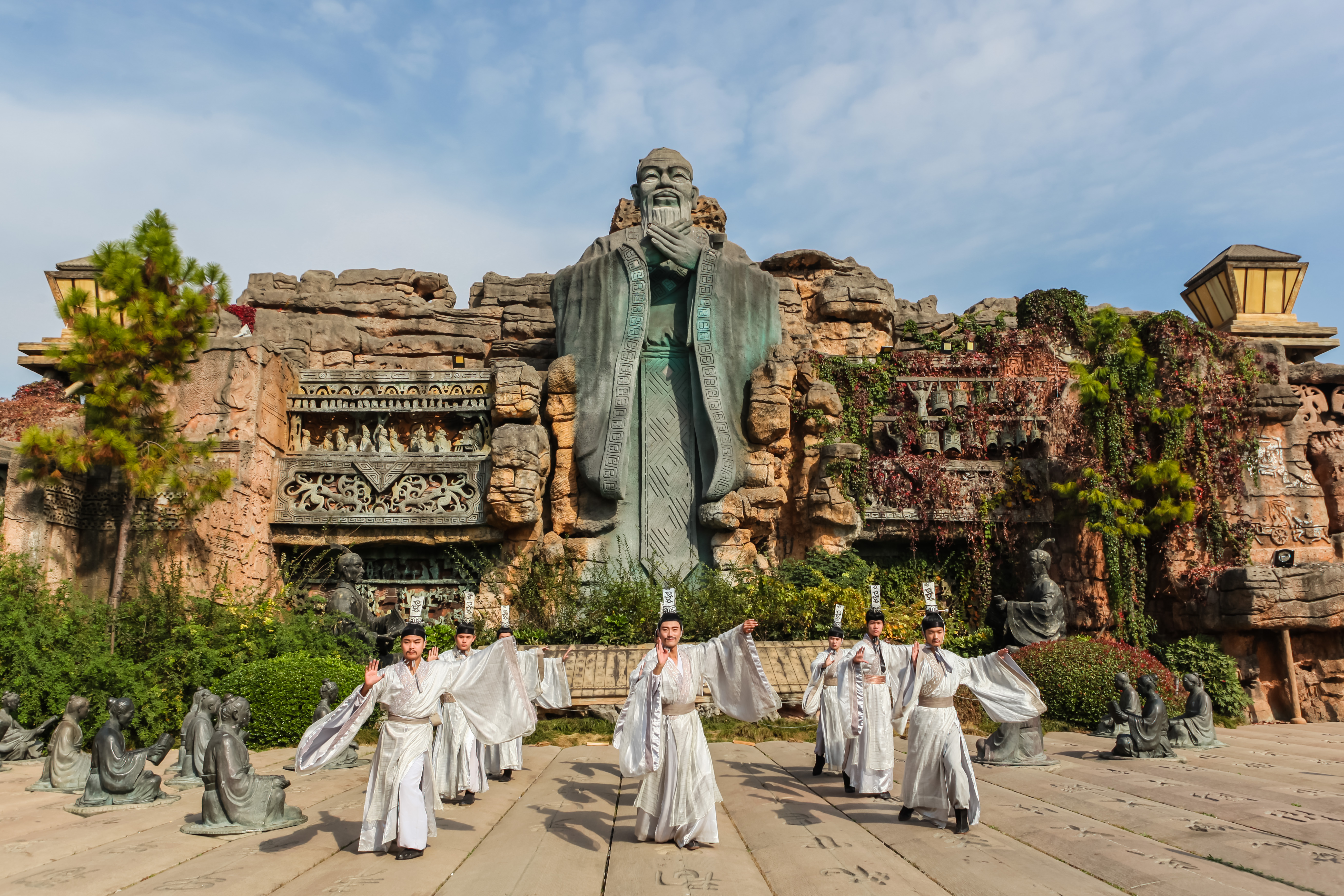
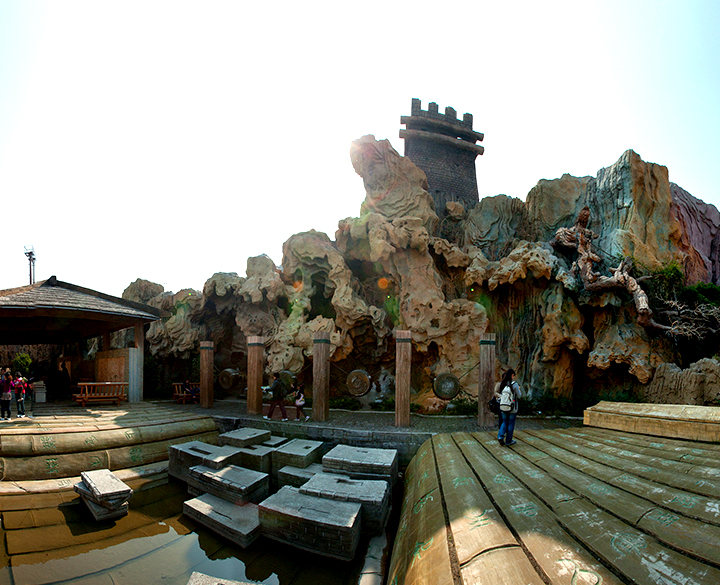
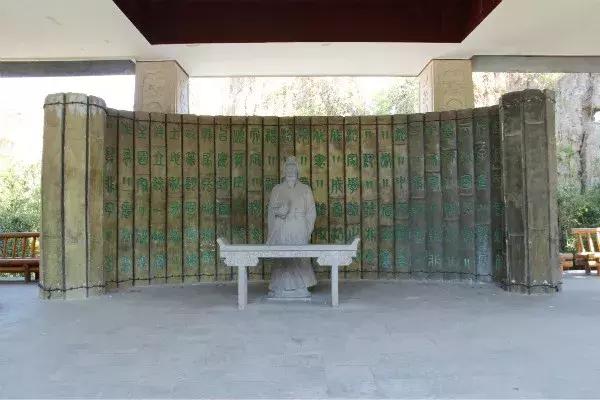
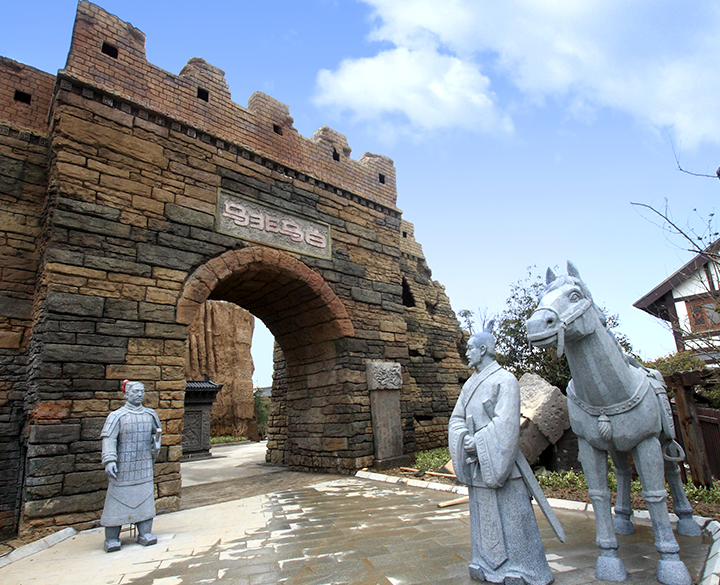
“Minor-Talk” originated from Zhuangzi. As said in “Records of Literature and Art”, The Book of Han Dynasty, “The school of minor talks is derived from minor officials who loved talking about anecdotes. It is about gossips, chats and suchlike.” Such minor officials mainly took charge of recording what the plebs talked about, namely legends. Yu Chu in Western Han Epoch was known as one of paragons of this school. Yu created An Anthology of Stories on Zhou Era, the first collection of stories ever in ancient China.
What followers of this school talk is the name and essence of things, rights and wrongs of cases. In fact, it was the school of logic in ancient times, which boasts typical figures like Gongsun Long, Deng Xi and Hui Shi. Such logicians were famous for being expert at analyzing the “name” and the “essence”. Up till now, their classic dogmas like “White Horse Is not a Horse at All” have been still alive.
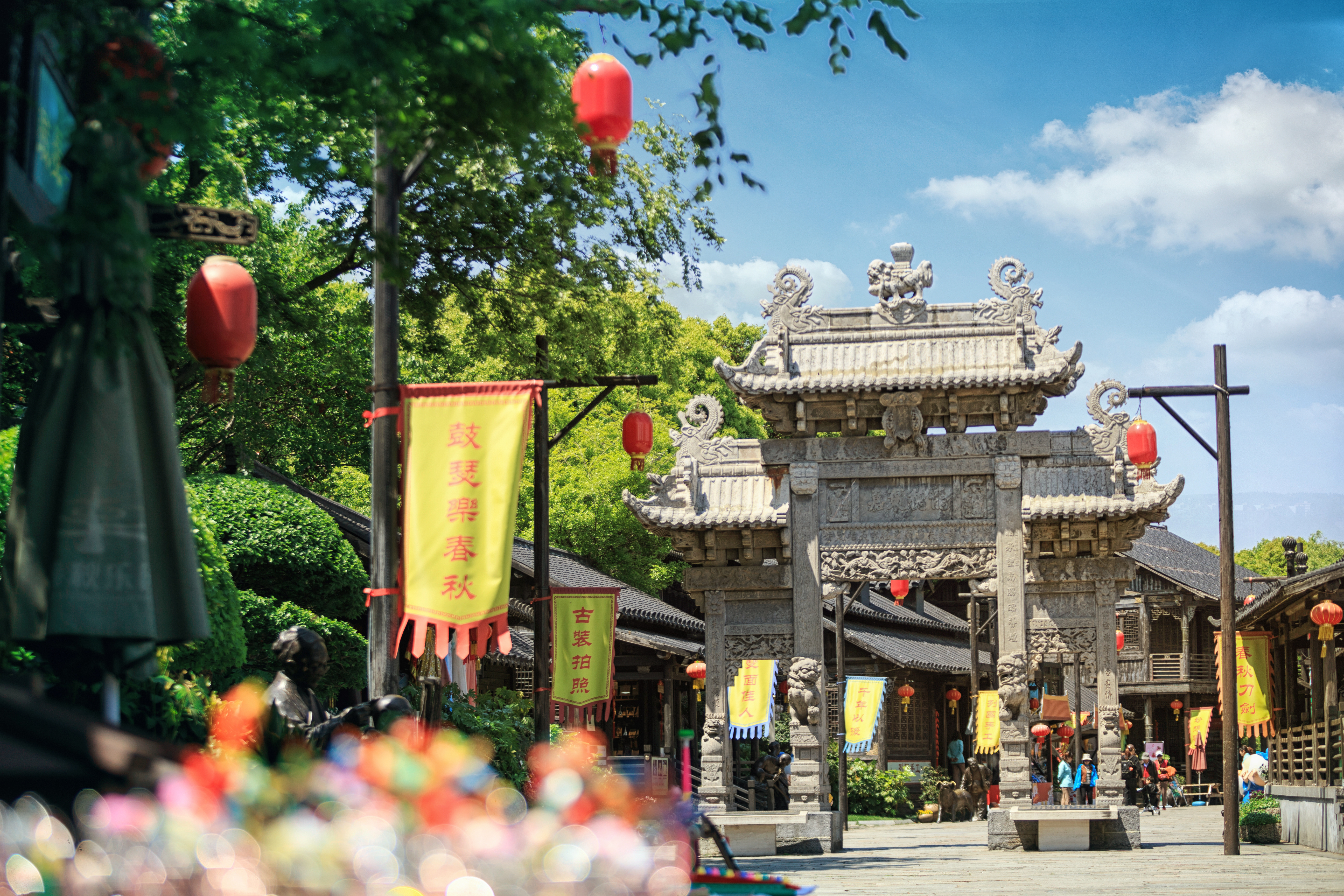
Marketplace Commercial Street reproduces prosperity of thirty-six elements including ancient folk acrobatics, Quyi, hawking and divination, as well as people shopping in the city, with ancient architecture in antique style and strong Chinese traditional flavor, combined with copper plastic landscaping and literary roadshows.
Commodities sold in Marketplace Commercial Street are mainly handicrafts with local characteristics of Changzhou. It is also a centralized exhibition area for intangible cultural heritage projects in the park.
There are three memorial archways from the Qing Dynasty in Marketplace Commercial Street, namely, Zhongyi (loyalty and righteousness) archway from the reign of Qianlong, Jiexiao (sparing and filial piety) archway from the reign of Guangxu, and Gongde (merit) archway from the reign of Xianfeng. The three archways have sublime but simple shapes and exquisite stone carvings, bearing high artistic value. They are also meaningful attempts to carry out cultural relics protection in different places in Yancheng Tourism Area.
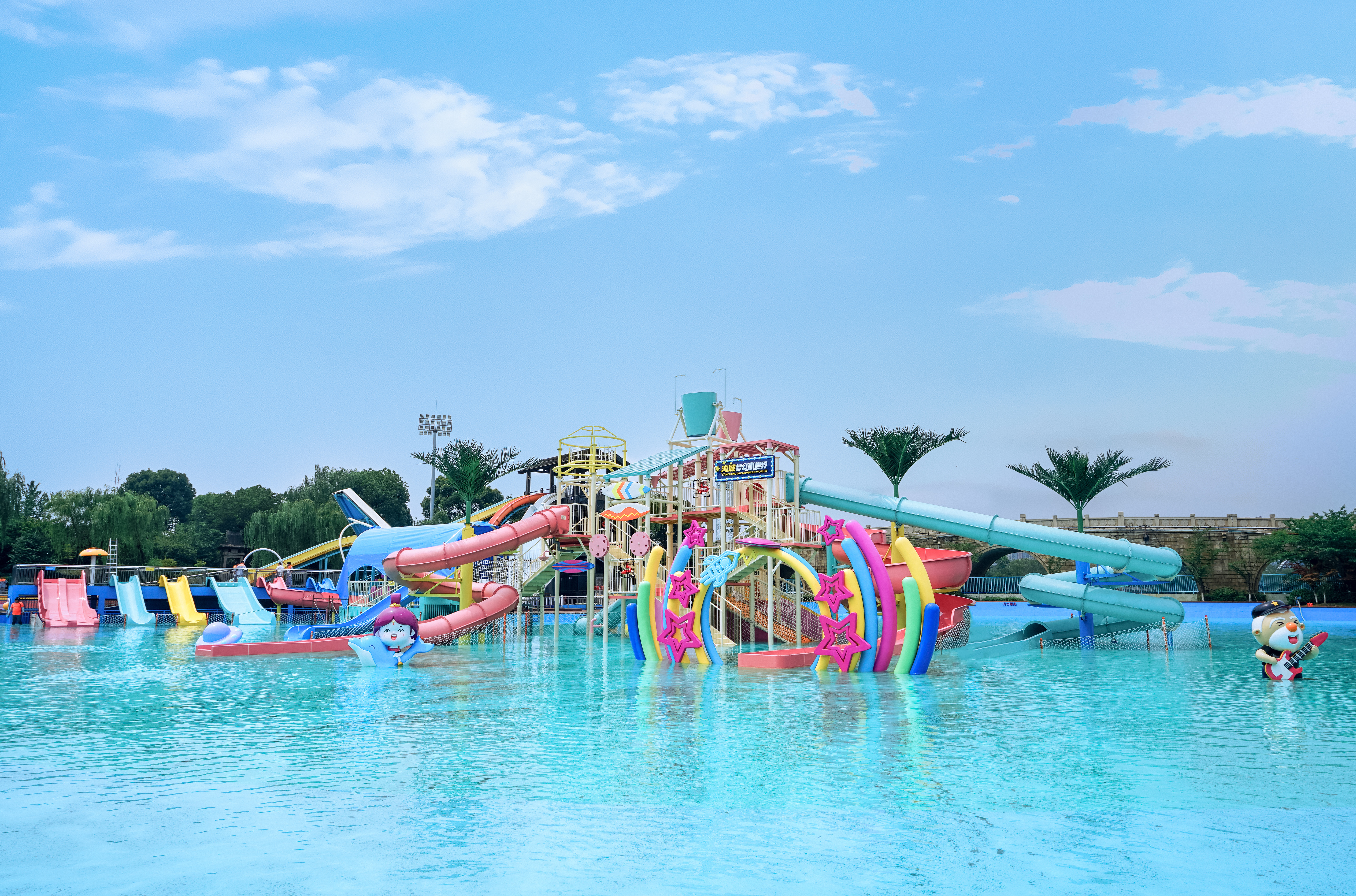
Spring and Autumn Water World, as the main project of Spring and Autumn Paradise in summer, is built with Splashing Square, Aqua Castle and Surfing Zone. Tourists may enjoy the coolness and show their vitality here in hot summer.
Relic Square, located in the central area of Spring and Autumn Park, connects main areas such as Zhuzi Baijia Garden, Yancheng Relics Park and Amusement Theme Experience Area.
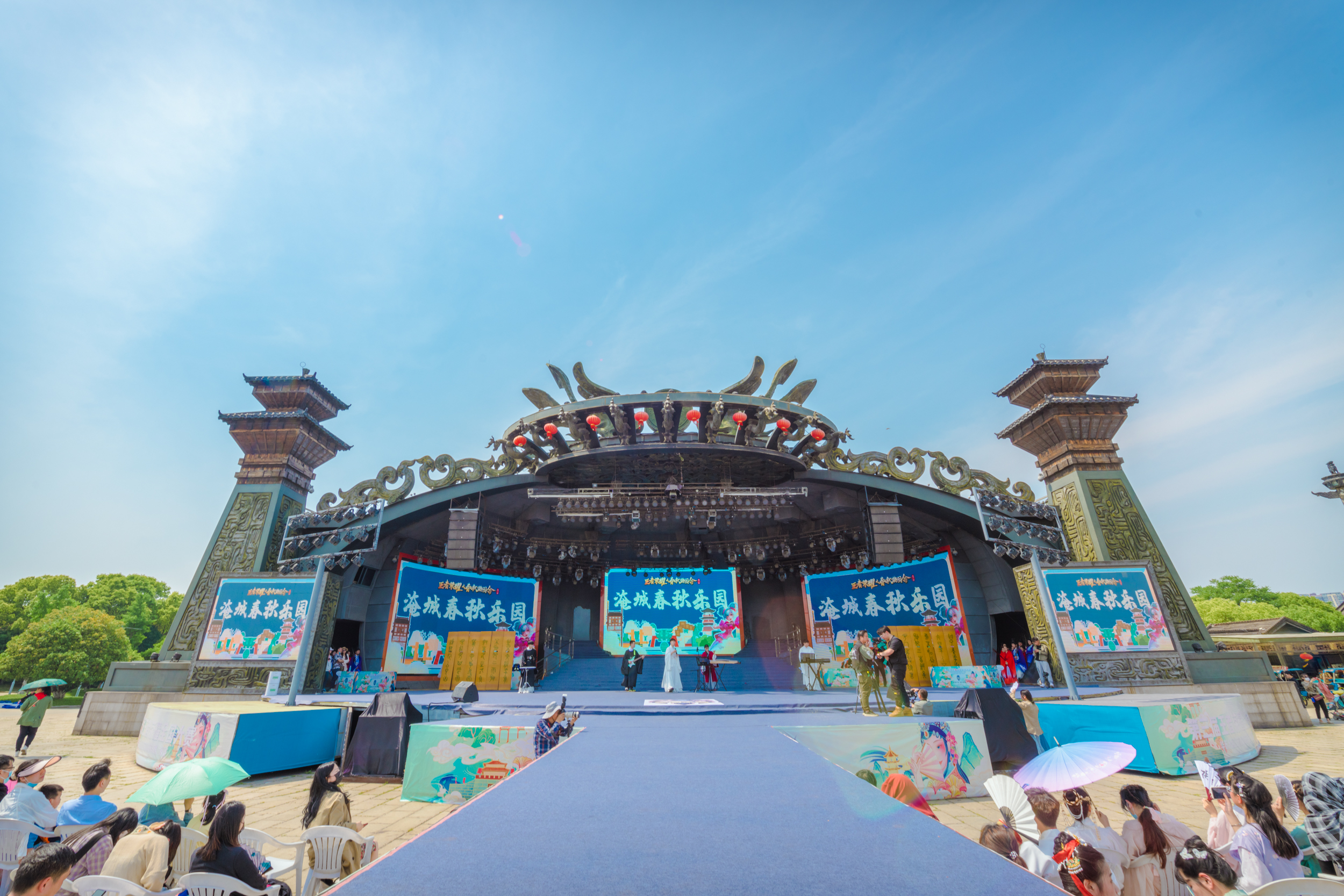
Grand Spring and Autumn Stage in the center of the Relic Square has wonderful performances during major festivals and summer night parks.
Yancheng Relics Park is at the west of the Relic Square with a history of more than 2,700 years. The three ancient cities and rivers have unique shape. It is the most complete and unique ground city site in the Spring and Autumn period found in China.