作者: 笨.龍 ༽

  • 7.Yuan Xiaoyuan Art Museum

    7.Yuan Xiaoyuan Art Museum

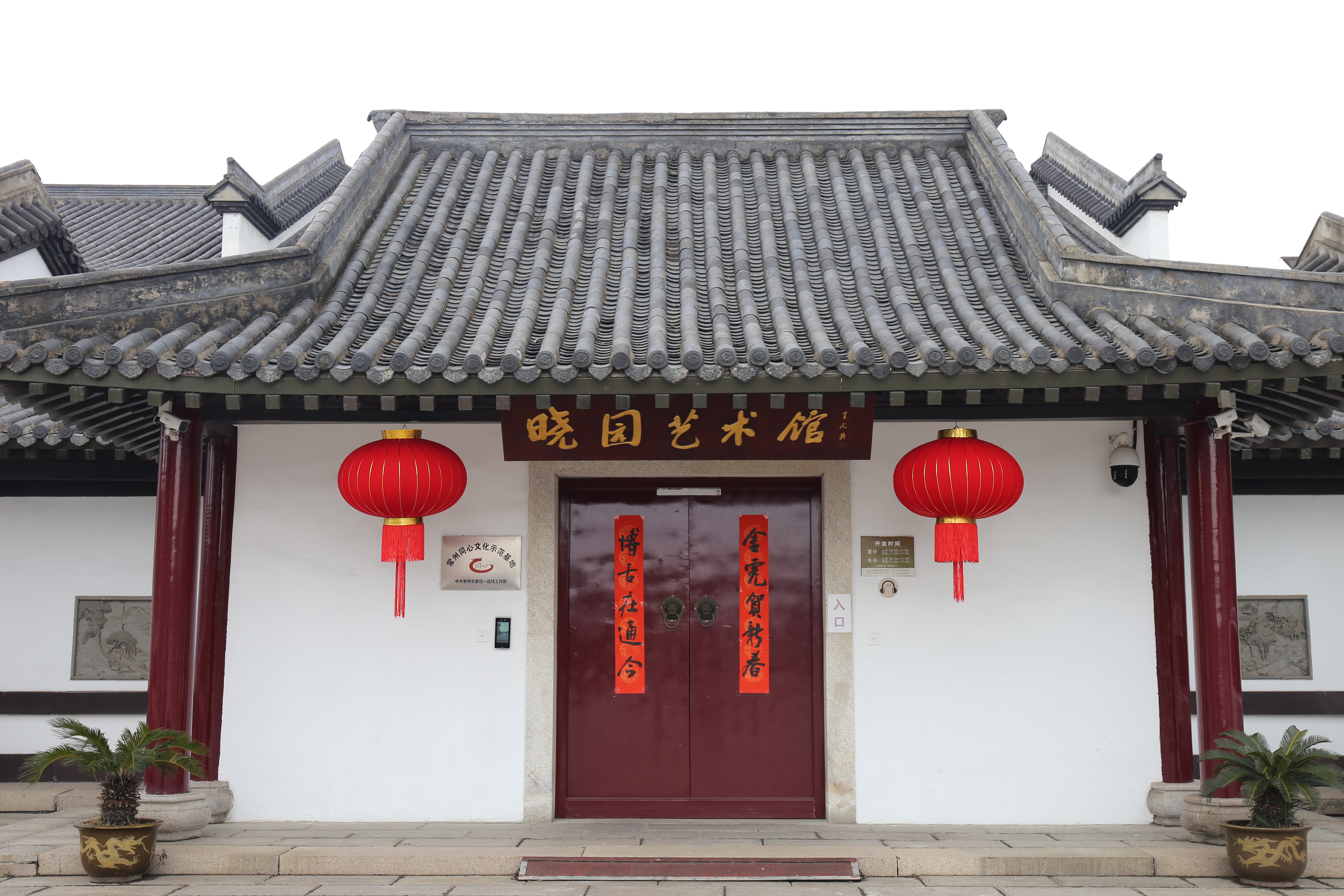
    Yuan Xiaoyuan Art Museum is located in Yancheng Culture Street. Mrs. Yuan Xiaoyuan is the first female tax official in China and the first female diplomat in China. She was born in a calligraphy family and used to be named Yuan Xingjie. Her uncle was an imperial teacher. Now the plaque of “Xinhuamen” in Zhongnanhai, Beijing, is just the work of her hands. Her grandfather Ye Chuchen was famous for poetry, and her sister Yuan Jing and niece Qiong Yao were famous for novels. In her youth, Mrs. Xiaoyuan broke through family barriers and went to work study in France alone. She served as Deputy Director of Xiamen Tax Bureau and became the first female tax official in China in the 1930s. She served as Vice Consul of the Consulate of Calcutta, India in the 1940s, and became the first female diplomat in China. She gave up her American citizenship and settled in Beijing in the 1980s. She was a member of the sixth and seventh CPPCC National Committee and President of Beijing International Chinese Character Research Association. Her life experience is a legend. Mr. Xiaoyuan died at the age of 101 in 2003. Wujin District established Yuan Xiaoyuan Art Museum in 2011, which collected and displayed Mrs. Yuan Xiaoyuan’s highly praised works of poetry, calligraphy and painting, as well as photos, certificates and objects from various periods.
  • 8.Yancheng Museum

    8.Yancheng Museum


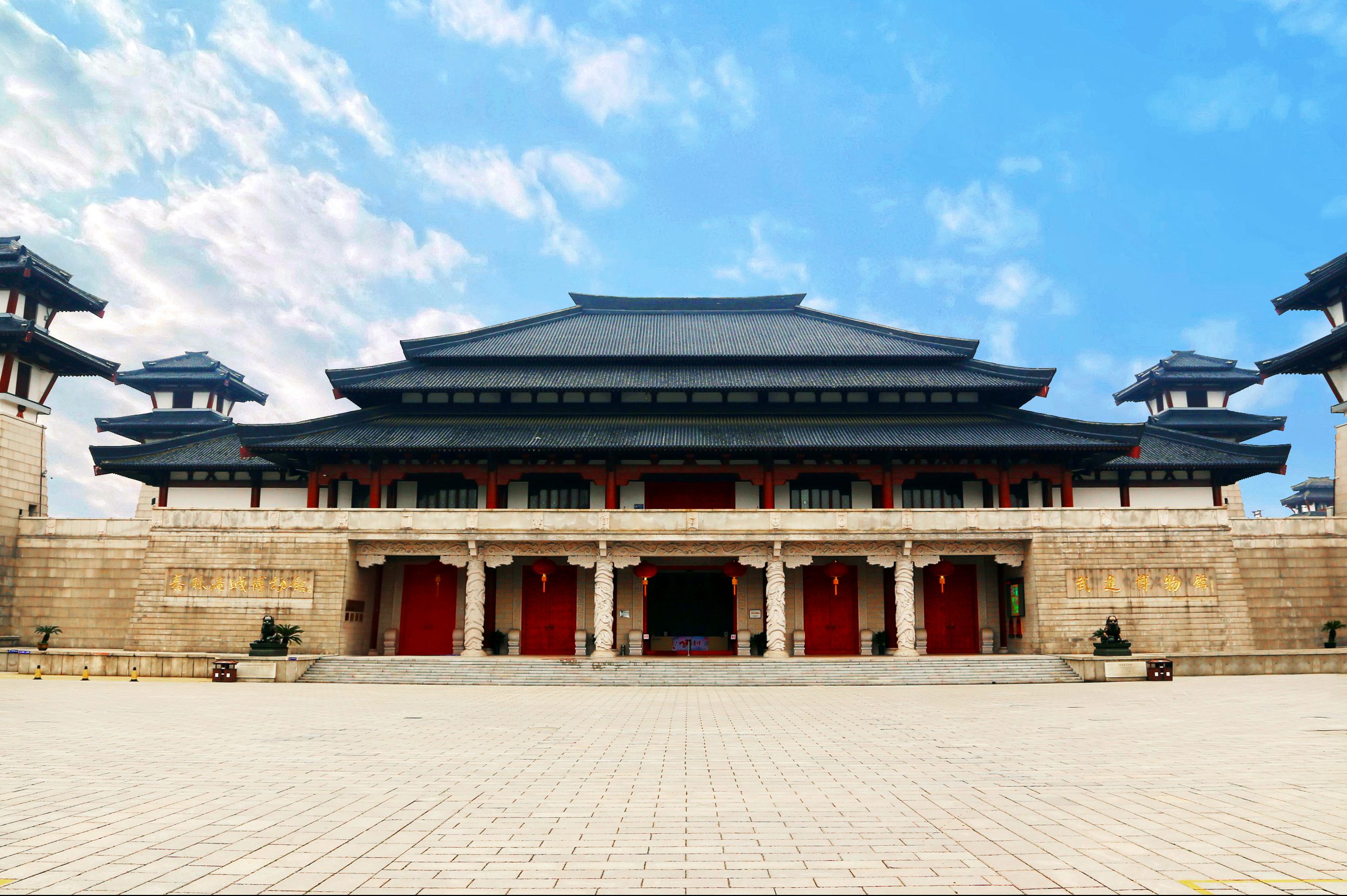
    Located in Yancheng Traditional Business Street Culture Street, it is a two-story building facing the East, imitating the characteristics of Han Dynasty, with a magnificent architectural style. Let’s first look at the pair of bronze lions in front of the gate. They are replicas of bronze lion in front of the Qianqing Gate of the Forbidden City in Beijing. The original bronze lion in front of the Qianqing Gate of the Forbidden City was cast during the reign of Yongzheng, and only two pairs were copied after the founding of the People’s Republic of China. One of them is a copy of the pair in front of Yancheng Museum. The other pair of copies is not in China, but kept in the hall of the Chinese Embassy in Germany.

    More than 3,000 articles are collected in Yancheng Museum, including 7 first-class products, 41 second-class products and 545 third-class products. The museum is featured by collections like Liangzhu culture jade articles and primitive celadon articles from the Spring and Autumn period, textiles from Ming Dynasty, and works of famous calligraphers and painters in modern times. Jade Cong with 11 animal face patterns, large jade wall with a diameter of 32 cm, and jade belt hook from the Liangzhu Culture period, canoes and primitive celadon tripods from the Spring and Autumn period, and exquisite works of the museum’s collection including embroidered overlapping flower textile with netted patterns from the Ming Dynasty, gold woven textile with Dancing Phoenix Folded Brocade, and the Painting of Two Eagles completed by Liu Haisu, Huang Zhou, Chen Dayu, and Xia Yiqiao together.

  • 1.Bronze Gate

    1.Bronze Gate


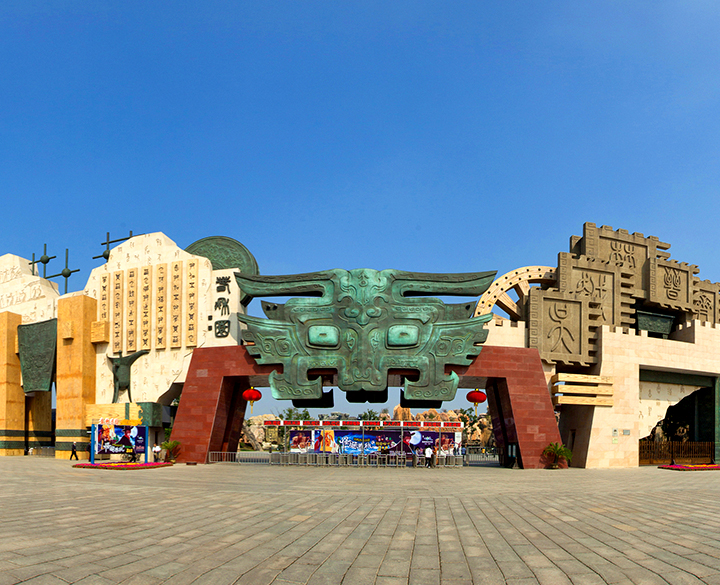
    Bronze Gate, as you can see here, is impressive and majestic with a height of 23.8 m and a width of 88 m. A divine gluttonous beast is decorated in the center built in bronze craftsmanship. Ancient Chinese bronze craftsmanship reached its peak in the pre-Qin period. Extremely exquisite bronzes have been handed down from the Shang and Zhou Dynasties to Spring and Autumn and Warring States periods. Gluttonous beast pattern is a common pattern on ancient bronzes as symbol of power and status.

  • 1.青铜大门

    1.青铜大门


    大家眼前看到的这座巍峨壮观、气势雄伟的大门,高23.8米,宽88米,中央装饰的是饕餮神兽,采用青铜工艺建造。中国古代青铜工艺在先秦时期达到巅峰,商周至春秋战国均有极其精美的青铜器传世。饕餮纹是古代青铜器的常见纹饰,是权力和地位的象征。

  • 2.One-Hundred Thought Schools Garden

    2.One-Hundred Thought Schools Garden


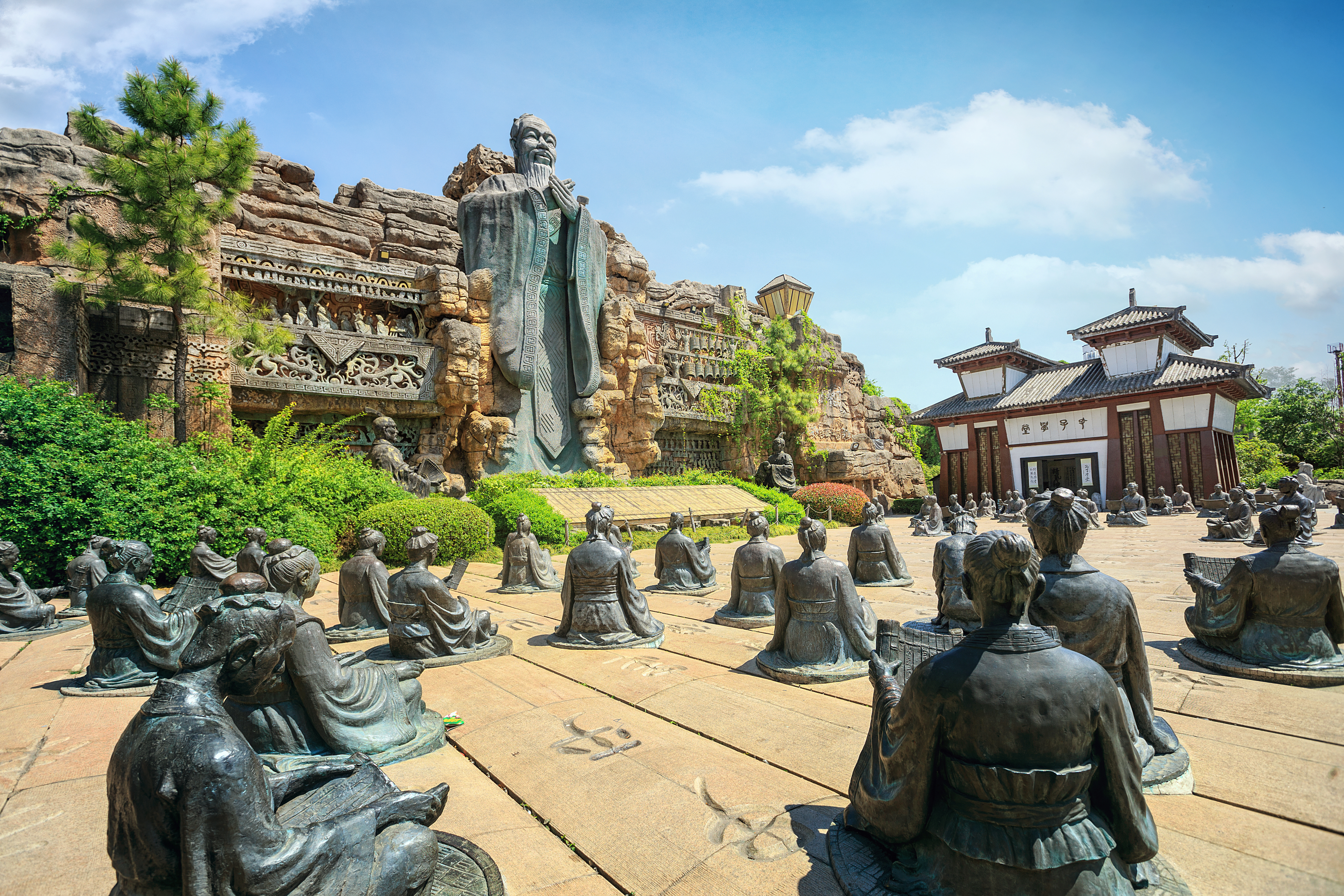
    In the Spring and Autumn and Warring States Periods, almost one hundred schools of thought vied for dominance with each other, which gave rise to a galaxy of brilliant personages such as Laozi, Zhuangzi, Confucius, Mozi and Hanfeizi, be them politicians, thinkers, scholars or all-rounders. Such is the provenance of resplendent Chinese culture. The antique garden, covering over 70,000 square meters, unravels the mystery around 12 typical schools like Confucianism, Taoism and Legalism through landscape gardening and traditional sculpture imbued with hi-tech means. As a result, the created scenes epitomize the quintessence of profound thought and prosperous culture throughout the Spring and Autumn Period.

  • 2.诸子百家园

    2.诸子百家园


    春秋战国时期,百家争鸣,思想学术流派纷呈,出现了诸如老子、庄子、孔子、墨子、韩非子等一大批在中国历史上著名的政治家、思想家、文学家,可谓群星灿烂多彩,是中华文化之源。诸子百家园占地7万多平方米,选取儒家、道家、法家等十二家作为代表,通过园林山水雕塑和现代科技手段,创设情景,集中展示春秋时期的思想精髓和文化成就。

  • 3.Sacrificial Altar

    3.Sacrificial Altar


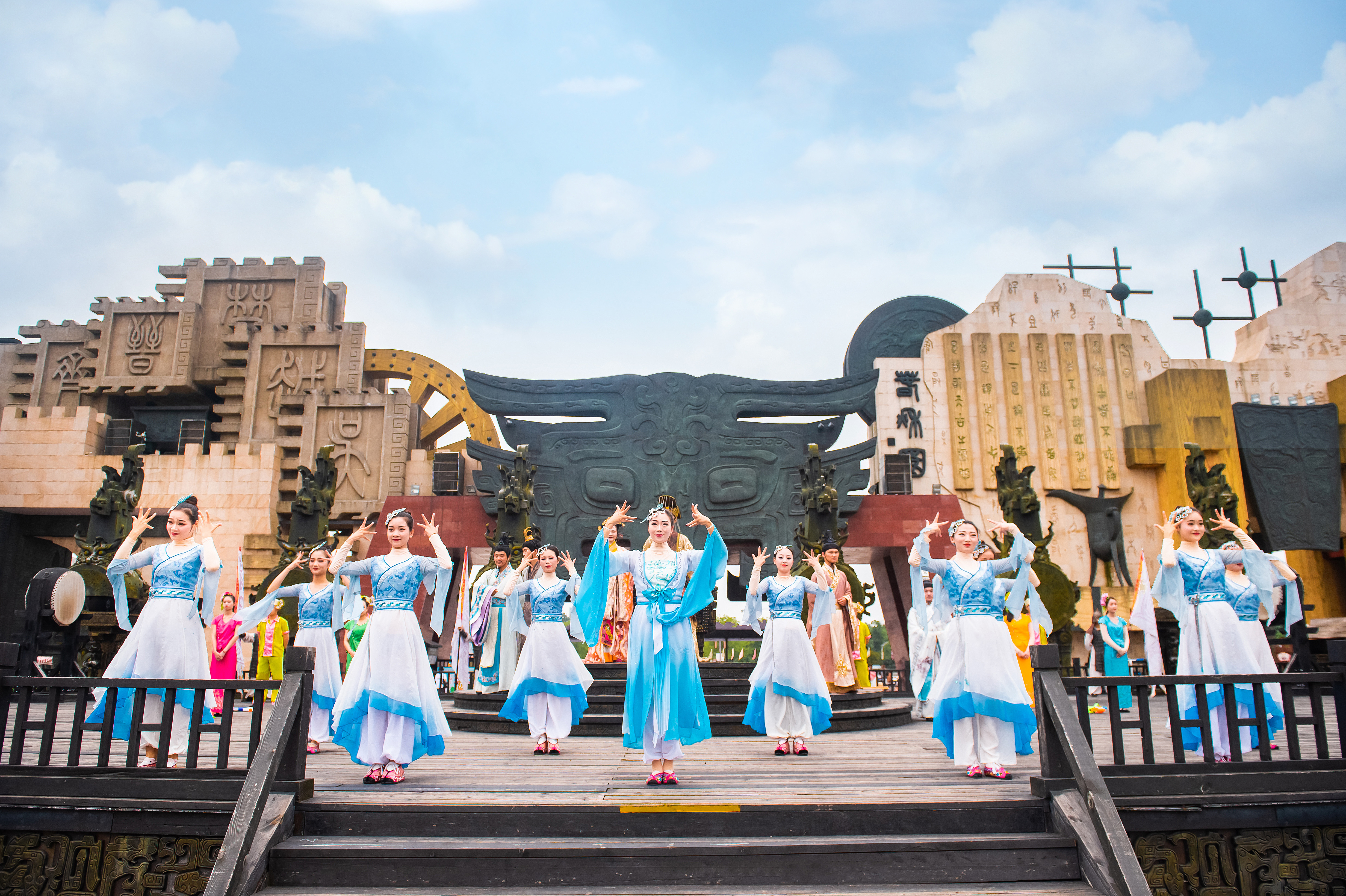
    Ancient Chinese worshipped heavenly deities, earthly spirits and dead ghosts. Sacrifice forms part of Chinese ritual. As the venue for sacrificial ceremonies, the altar holds all in utmost awe. This is because people often pray for bliss on the holy venue. What stands in the center of the altar is cauldron, an ancient cooking utensil. It later became a vital sacrificial artifact, which signifies power and prestige. It is said Yu the Lord, when establishing Xia Era, cast nine cauldrons using all metal under the sun as a token of China’s Nine Prefectures. Then emperor has been called the Supreme Lord of Nine Cauldrons. Those ethic regimes desiring to take the central throne have been referred to as willing to ask the weight of the cauldrons. At 9:18 a.m. each day, Bliss-Praying Ceremony occurs here. This is inspired by lords’ bliss-praying to deities during the Spring and Autumn Epoch. That intends to bring to life the historic scenes of ancient Yan State—parade, bliss-praying, singing and dancing, and alliance-forming with modern artistry. And thus the theme “Harmonious Society, Widespread Prosperity” can unfold itself well. The real drama amid astoundingly steady music brings about a magnificent show of the ancient dance and martial arts. Modern cartoons come as an interlude, which makes the bizarre panoply all the more charming. In short, all audiences can enjoy a perfect mix of ancient culture and modern fashion here.

  • 1.外城河

    1.外城河

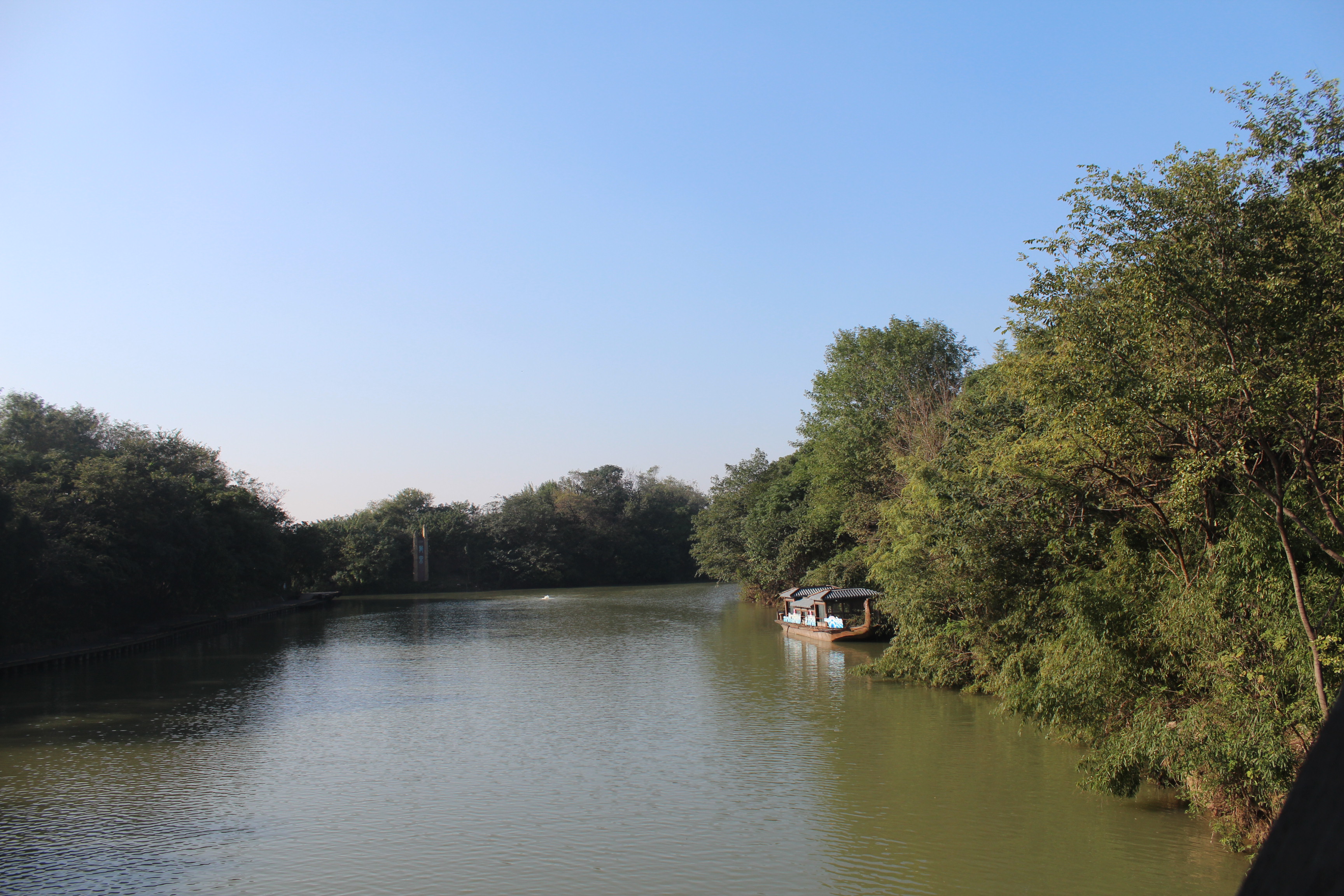
    淹城具有三城三河的独特形制,按照顺序从中心往外依次是子城、子城河;内城、内城河和外城、外城河。我们现在所在的位置在淹城三道城的城外,通过前面这座外城河桥,就正式进入了遗址区。

    外城河是淹城的第一道护城河。请大家把目光看向您的右手边,在外城河右边一圈高起的部分是外城郭,左边也就是内侧高出的地方是外城墙。

  • 4.Spring and Autumn Scholastic Domain ——Totem Poles

    4.Spring and Autumn Scholastic Domain ——Totem Poles


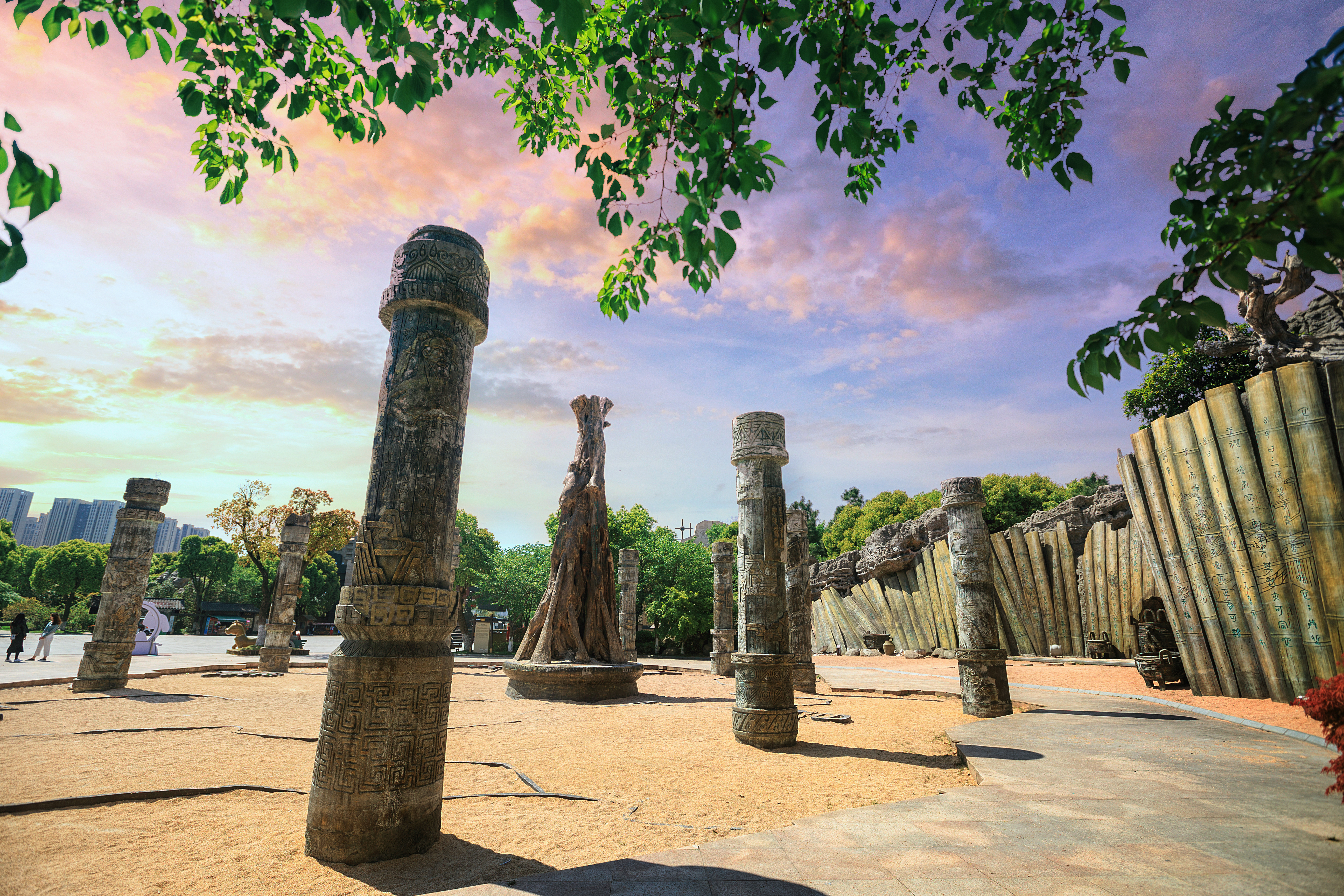
    The poles ahead of us, in fact a sign of totem, represent 12 schools like Confucianism and Taoism. This vigorous old tree in the center of the domain best embodies the full bloom of the academia in that era.

    Chinese characters, derived from pictograph, are an early hieroglyph indeed. Cang Jie, history scribe in the remote past, devised this long-standing writing system. For more than 3,000 years, Chinese writing regime has mainly undergone the several stages: greater seal script, smaller seal script, clerical script, regular script, cursive script and running script. Greater seal script dominated the Spring and Autumn Epoch. For this reason, most garden-wide writings, including those on the bamboo-slips of the half-wall are engraved in that script.


  • 3.祭台

    3.祭台


    古人信奉天神、地祇、鬼魂。祭祀是华夏礼仪最重要的部分,祭台是完成典礼,求福的庄严圣地。祭台中心摆放的叫鼎。鼎原本是古代的烹饪器具,后来成为一种重要祭祀礼器,象征权力和地位。传说大禹建立夏朝,用天下金铸成九鼎,象征九州。因此有九鼎之尊、问鼎中原的说法。在这里每天上午9点18分都会举行盛大的春秋祈福表演《祈福大典》。《祈福大典》取材于春秋时期君王祭神祈福的传说,用现代艺术表现手法,再现古淹国阅兵、祈福、歌舞、结盟的历史场景。由此展示当今“和谐社会、共同繁荣”的主题。场面宏大,气势磅礴,音乐震撼而凝重,舞武相融,古朴而新奇,加之现代卡通形象的串场,让您在感受春秋文化的同时,又能充分享受现代时尚的乐趣。