淹城文化街与中医街、美食街毗邻,街坊枕河、小桥虹连,亭、榭、轩、阁错落有致,尽显吴越风韵。文化街以淹城博物馆、武进文化馆为核心,云集了一批非遗工艺、古玩鉴赏、书画美术等文化体验项目,向游客集中展示了常武地区独特而深厚的文化底蕴。
淹城文化街与中医街、美食街毗邻,街坊枕河、小桥虹连,亭、榭、轩、阁错落有致,尽显吴越风韵。文化街以淹城博物馆、武进文化馆为核心,云集了一批非遗工艺、古玩鉴赏、书画美术等文化体验项目,向游客集中展示了常武地区独特而深厚的文化底蕴。
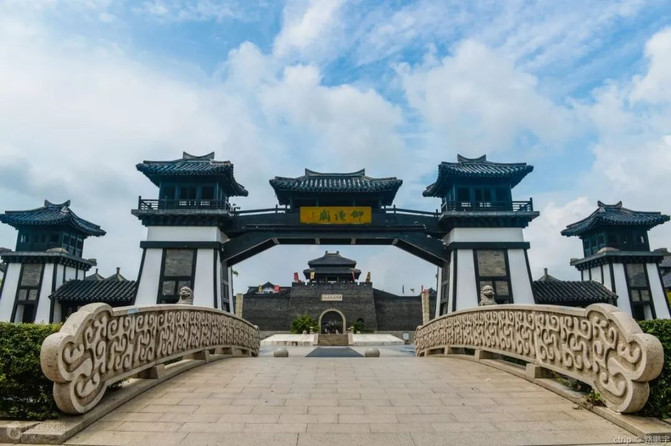
It is the symbol of boundary between Yancheng Tourism Area and the outside world. “Lord-Worshipping Tower”, as the name suggests, is the attic to look up at Yan territory.
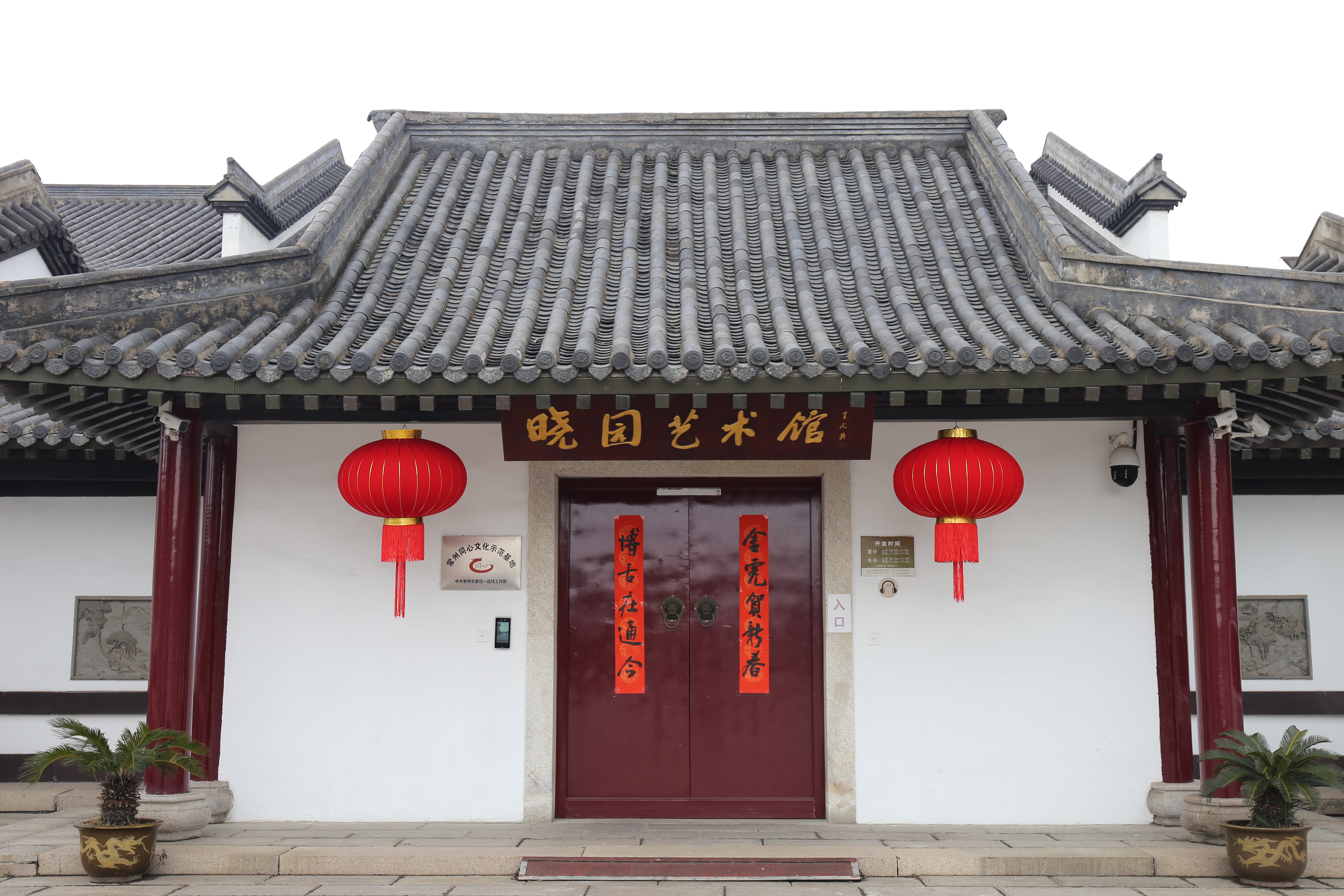
袁晓园艺术馆坐落于淹城文化街内。袁晓园先生是中国第一位女税务官,也是我国第一位女外交官。她出生于翰墨世家,曾用名袁行洁,其伯父为帝师,现悬挂于北京中南海之“新华门”匾额,即由其手书,外祖父叶楚伧以诗文名世,胞妹袁静、外甥女琼瑶则以小说驰名。晓园先生青年时冲破家庭藩篱,只身赴法勤工俭学,三十年代曾任厦门税务局副局长,成为我国第一位女税务官;四十年代曾任印度加尔各答领事馆副领事,成为我国第一位女外交官;八十年代她放弃美籍回北京定居,曾任六、七届全国政协委员、北京国际汉字研究会会长等职。此一生经历可谓传奇。2003年,晓园先生去世,享年101岁。2011年,武进区建立袁晓园艺术馆,收集展示了晓园先生备受好评的诗、书、画艺术作品及各时期的照片、证件和实物。
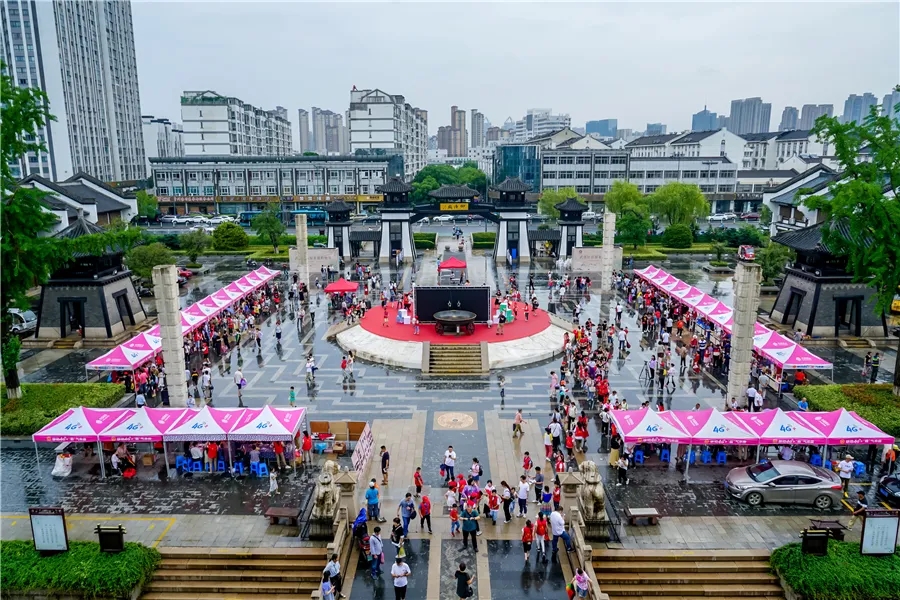
The huge vessel in center of the square is called Double Beast Three Wheels Plate Bronze Plate. It is presented by China cultural relics Association and is magnified in the proportion of 1:10 to the original bronze plate unearthed in Yancheng in 1957.
The origin of bronze three disc plate is now collected in Chinese History Museum. The plate has a unique shape, with a height of 15.6 cm, a diameter of 26 cm and a bottom diameter of 14.5 cm. The plate has open mouth, shallow belly and encircled feet. Three rotatable wheels with six spokes are installed under the bottom of the plate, with two beasts with long necks protruding from both sides of the front wheel looking back. Beast heads have crowns, and big eyes open, with snout extending forward. Beast bodies are decorated with scale patterns, triangular patterns, Qiequ patterns (curved and hooked patterns derived from animal elements), etc., and the beast is like drinking water. There are braids around the plate. It should be a very exquisite dinner plate or fruit plate in the Spring and Autumn period, which can move back and forth in front of guests to meet their needs. This bronze three wheel plate has reasonable structure, integrating practical utensils and works of art through production processes of casting, welding, tenon and mortise assembly and other processes, showing superb level of bronze technology. There is only one such three wheel plate ancient bronze ware at now. It is an artifact with strong regional style and era characteristics in Wu and Yue bronze ware.
The four stone carvings embedded around the bronze plate are Blue Dragon, White Tiger, Rosefinch and Xuanwu, protecting the east, west, north and south. On the left and right are Bell Tower and Drum Tower. The four Cong columns at the four corners of the square are made of multicolored stones, each weighing 30 tons.
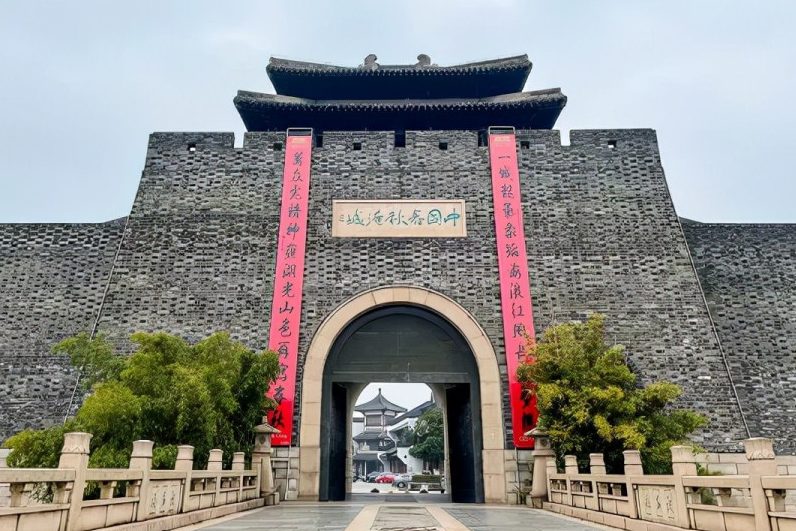

It is the tremendous and sublime Yancheng tower. The “Spring and Autumn Yancheng Relics Park” on it is inscribed by calligrapher Shen Peng. The font has profound artistic conception, elegant style, ink with spirit, and overwhelming power.
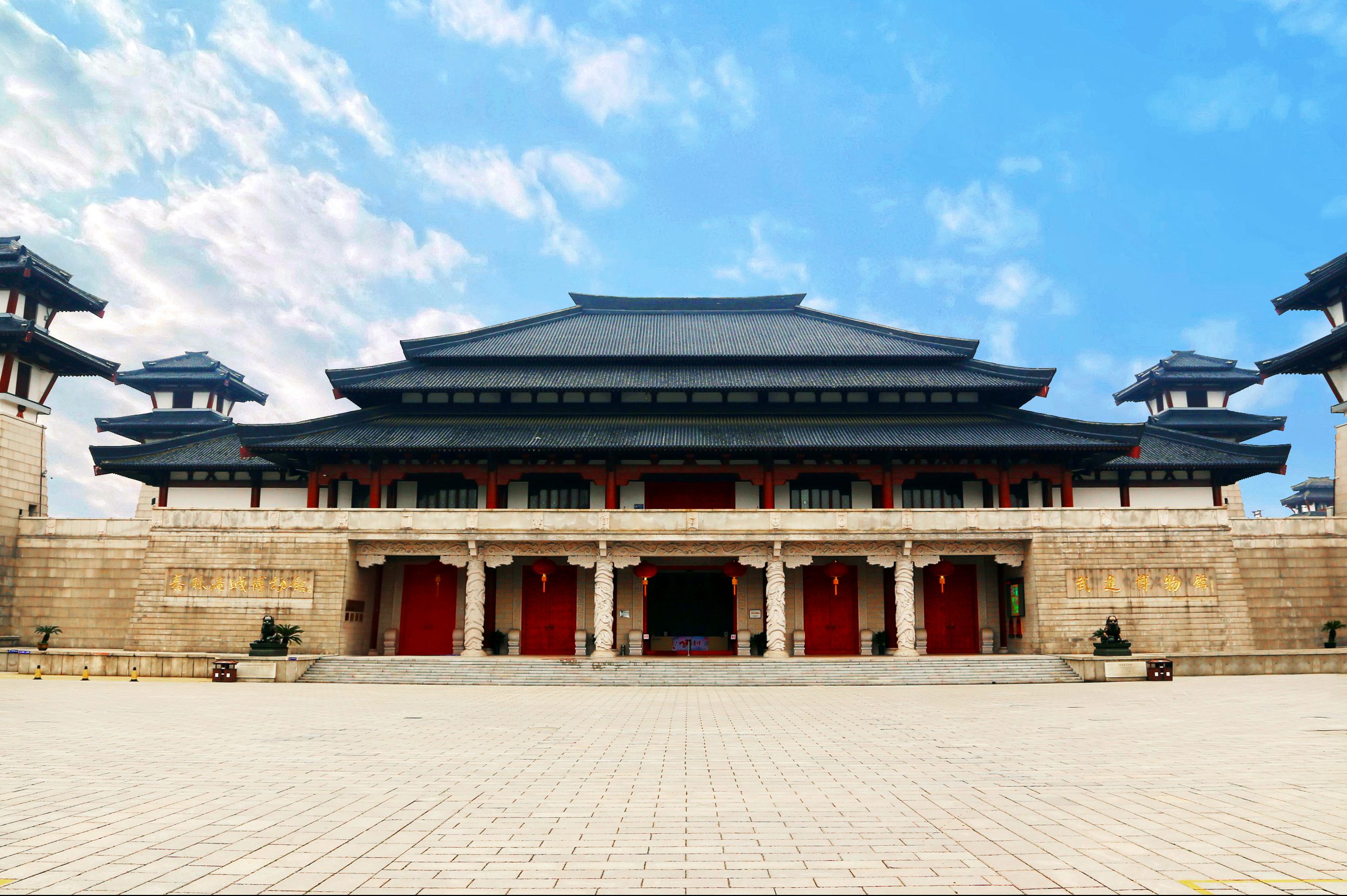
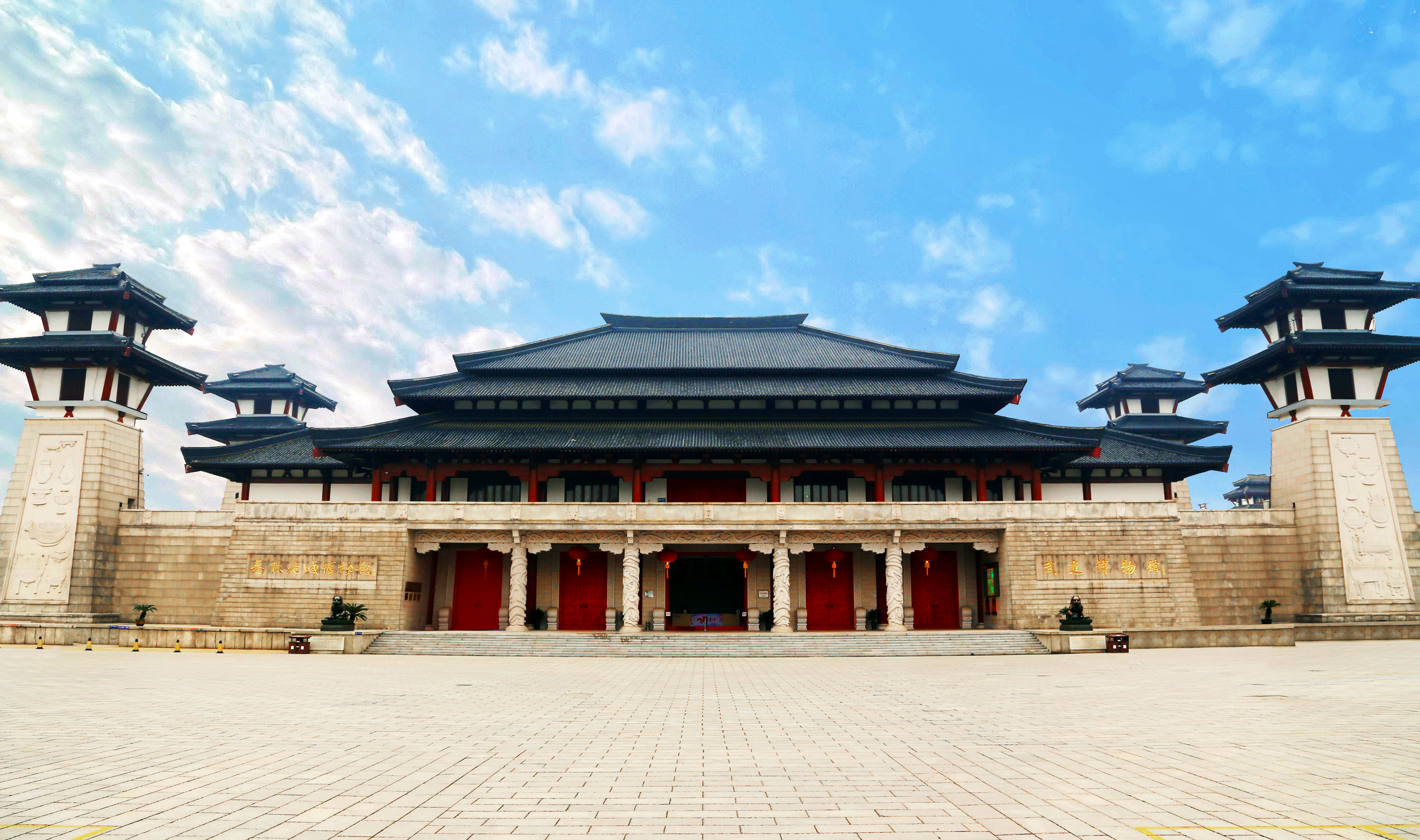
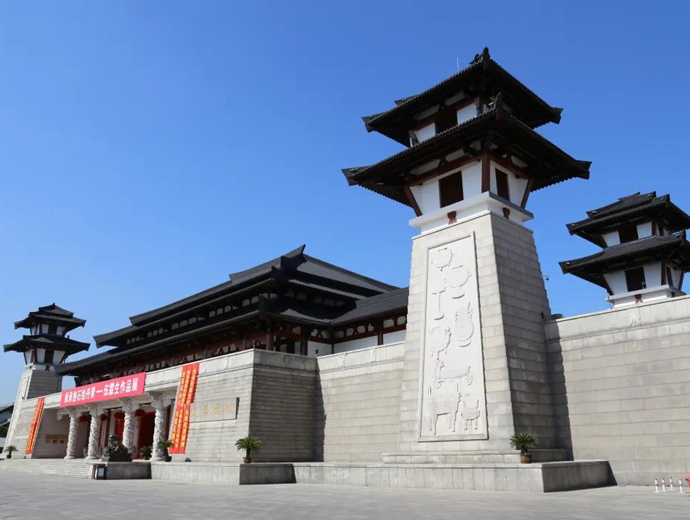
坐落于淹城传统商业街坊文化街内,为面东二层楼仿汉代建筑,建筑风格雄伟壮观。大家首先看门前这一对铜狮。它们是北京故宫乾清门前铜狮的复制品。故宫乾清门前的铜狮原件是在雍正年间铸造的,建国后仅复制过两对。其中一对就是淹城博物馆前的这一对复制件。另一对复制件却不在国内,而是保存在中国驻德大使馆大厅内。
淹城博物馆内现有藏品三千余件,其中一级品7件,二级品41件,三级品545件。良渚文化玉器、春秋时期的原始青瓷器、明代纺织品及近现代书画名家作品是该馆藏品的特色。良渚文化时期的11节兽面纹玉琮、直径32厘米的大玉璧、玉带钩;春秋时期的独木舟、原始青瓷鼎;明代勾编网纹叠花贴绣纺织品、舞凤折枝花缎织金襕纺织品和由刘海粟、黄胄、陈大羽、夏伊乔四人合作的《双鹰图》是馆藏之精品。
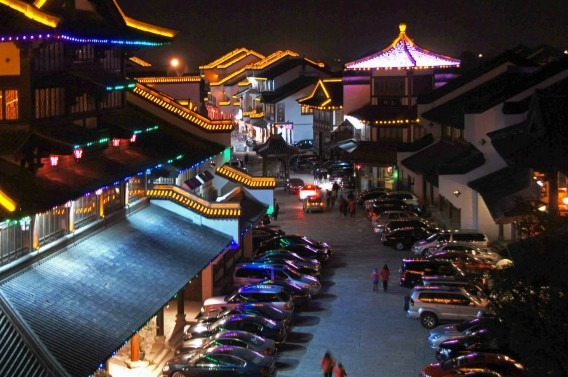
Bread is the staff of life. Chinese people have a long history of enjoying palatable food. The Food Street pays attention to local characteristics, takes Wujin’s specialty as the classic, absorbs characteristic delicacies from all over the country, and creates Chinese People’s Food Street. The Food Street always has endless flows of people waiting to be served as sumptuous lights glitter.
Wujin is the birthplace of Menghe Medical School that has cultivated generations of famous doctors since ancient times. Wujin has profound cultural heritage of traditional Chinese medicine famous all over the world in late Qing Dynasty. It is known as “Wuzhong famous doctors are the best in the world and Menghe famous doctors are the best in Wuzhong”. Relying on profound precipitation of Wujin Medical School, Yancheng Traditional Chinese Medicine Street has born various characteristic traditional Chinese medicine centers and health centers. Traditional Chinese Medicine Street has played a positive role in inheriting and prospering traditional Chinese medicine culture just like what is written on stone archway at the entrance of the street, “Good Virtues Cherished by Doctors”.
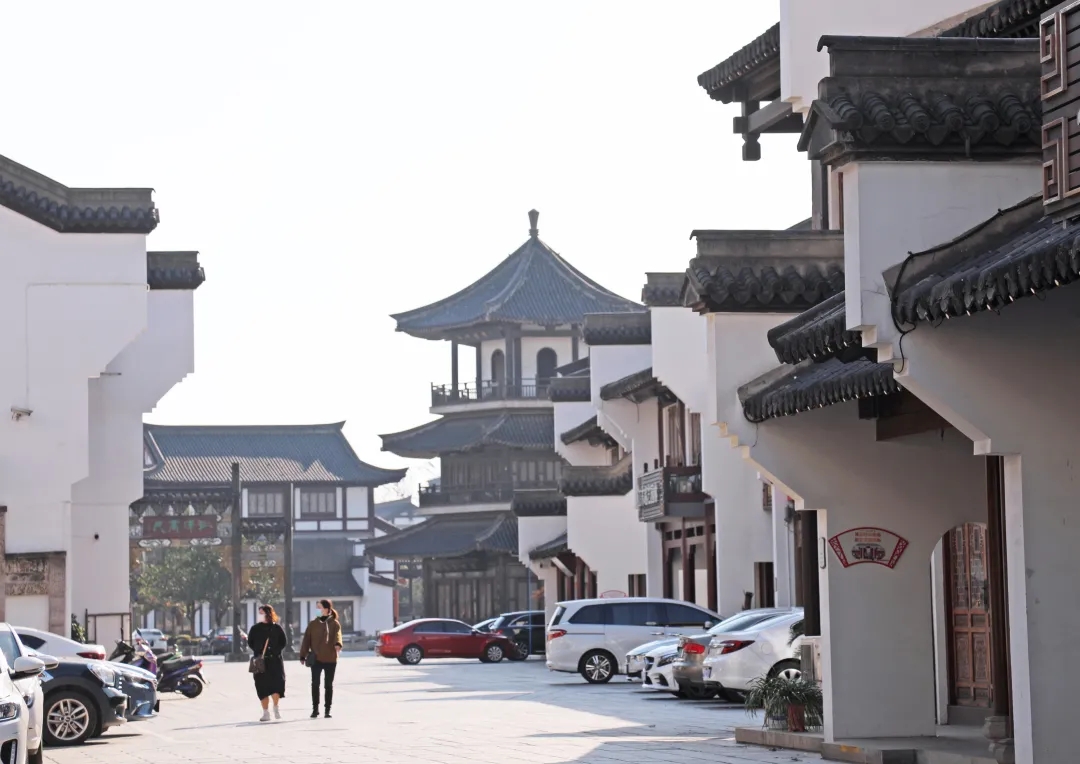
Yancheng Cultural Street is adjacent to Traditional Chinese Medicine Street and Food Street. The neighborhoods are connected by rivers and small bridges, and pavilions, pavilions, pavilions and pavilions are arranged in a staggered manner, showing the charm of Wu and Yue. With Yancheng Museum and Wujin Cultural Museum as the core, the cultural street gathers a number of cultural experience projects such as intangible cultural heritage crafts, antique appreciation, calligraphy and painting art, and intensively displays unique and profound cultural heritage of Changwu Area to tourists.
Yuan Xiaoyuan Art Museum is located in Yancheng Culture Street. Mrs. Yuan Xiaoyuan is the first female tax official in China and the first female diplomat in China. She was born in a calligraphy family and used to be named Yuan Xingjie. Her uncle was an imperial teacher. Now the plaque of “Xinhuamen” in Zhongnanhai, Beijing, is just the work of her hands. Her grandfather Ye Chuchen was famous for poetry, and her sister Yuan Jing and niece Qiong Yao were famous for novels. In her youth, Mrs. Xiaoyuan broke through family barriers and went to work study in France alone. She served as Deputy Director of Xiamen Tax Bureau and became the first female tax official in China in the 1930s. She served as Vice Consul of the Consulate of Calcutta, India in the 1940s, and became the first female diplomat in China. She gave up her American citizenship and settled in Beijing in the 1980s. She was a member of the sixth and seventh CPPCC National Committee and President of Beijing International Chinese Character Research Association. Her life experience is a legend. Mr. Xiaoyuan died at the age of 101 in 2003. Wujin District established Yuan Xiaoyuan Art Museum in 2011, which collected and displayed Mrs. Yuan Xiaoyuan’s highly praised works of poetry, calligraphy and painting, as well as photos, certificates and objects from various periods.